
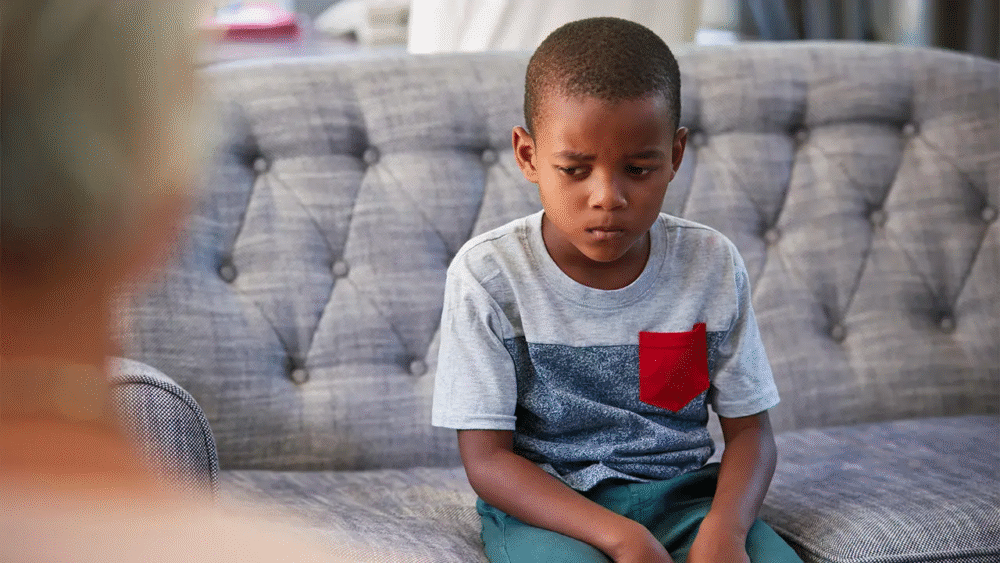
The United Nations Children’s Fund (UNICEF) has raised alarm over the increasing rates of violence committed against children within their own homes—spaces where they should feel safest. The organization warns that eliminating violence against children will remain difficult as long as violence against mothers persists.
According to UNICEF, most of the abuse children face is linked to harsh disciplinary practices at home. This violence becomes even more severe when parents—especially mothers—are also subjected to abuse, creating an environment of fear and long-term psychological harm.
While children may experience violence in different places, UNICEF emphasizes that the situation becomes more devastating when the abuse happens in their own households. Home should be a refuge, yet for many children, it has become a source of trauma.
A new UNICEF study shows that when violence is inflicted by caregivers themselves, the impact is far deeper. It erodes trust between children and their parents and leaves emotional wounds that can last well into adulthood.
The findings also highlight the close connection between violence against women and violence against children. Even when the child is not the direct victim, witnessing abuse against their mother significantly affects their emotional wellbeing.
Current global figures reveal that two out of three children—around 1.6 billion worldwide—experience violent discipline at home. The highest rates are recorded in Oceania (78%), followed by Sub-Saharan Africa (77%) and Asia (73%).
In addition, one in four children—nearly 610 million—live with mothers who have experienced domestic violence. Children in Oceania, Asia, and Sub-Saharan Africa are the most exposed to households affected by physical, emotional, or sexual abuse.
Living in violent environments takes a serious toll on a child’s education, development, and overall wellbeing. In Oceania, more than half of the children live with mothers who have suffered abuse. In Asia, one in three children affected reside in central and southern regions. Sub-Saharan Africa has the second-highest numbers globally, with nearly one in three children—about 187 million—growing up in homes marked by violence.
Research shows that children who witness domestic violence are more likely to either perpetrate or experience violence later in life, continuing a cycle that spans generations. UNICEF stresses that violence against children cannot be eradicated without addressing violence against women, as the safety and wellbeing of mothers and children are deeply interconnected.
UNICEF is urging governments to enforce strong legal frameworks and coordinated policies aimed at preventing family violence and protecting children. It also calls for efforts to challenge harmful norms and beliefs that normalize abuse or allow it to remain hidden.