
KIGALI, Rwanda — September 1, 2026 — Sahel countries need to move beyond repeatedly responding to food insecurity and climate-related emergencies and instead invest in productive, resilient food systems capable of creating jobs and generating income, leaders and development partners said in Kigali on Tuesday.
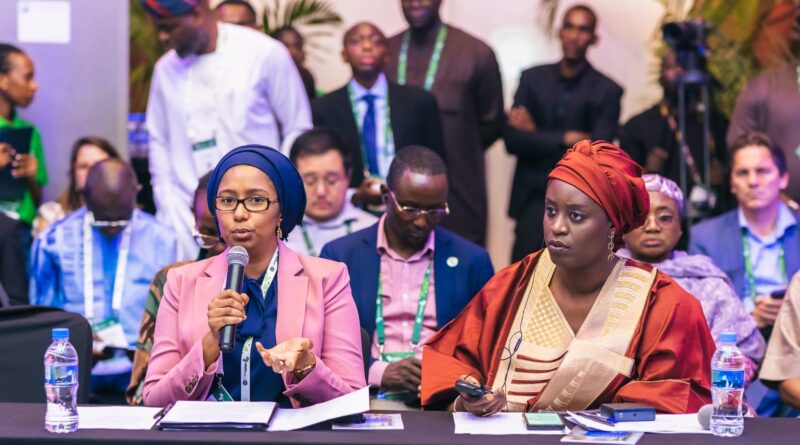
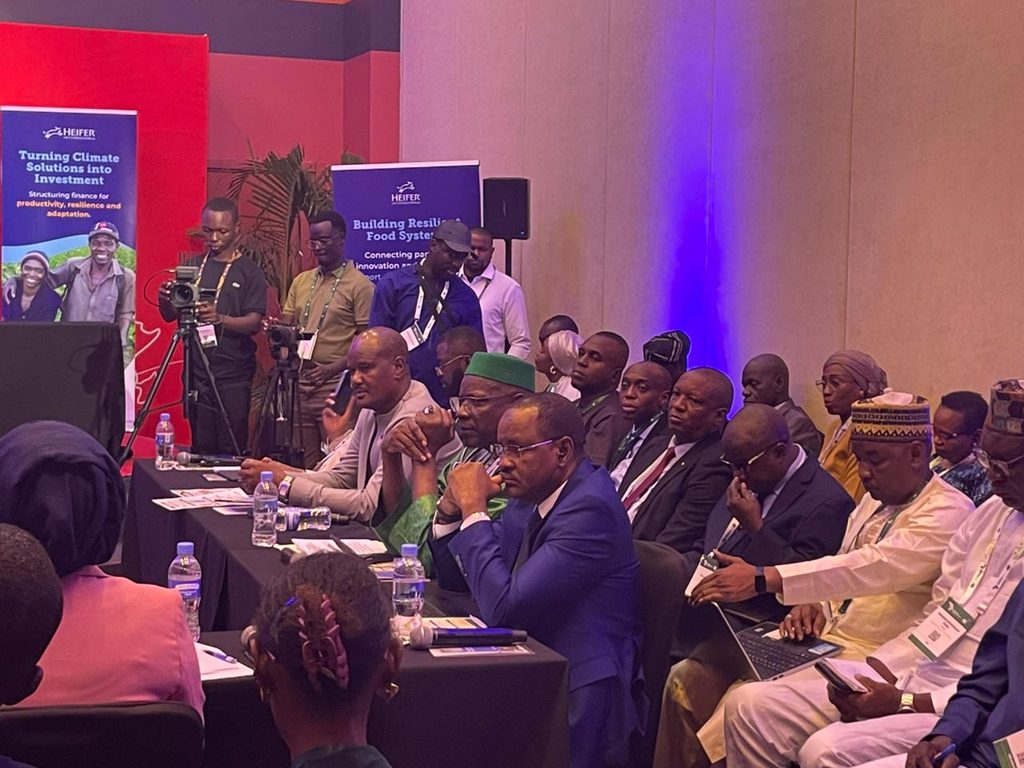
The call was made during a High-Level Roundtable on Agri-Food Systems in the Sahel Region held at the Kigali Convention Centre, bringing together government representatives from Niger, Mali, Senegal and Nigeria, alongside development partners, philanthropies and other stakeholders.
The discussions focused on agricultural priorities, investment opportunities, financing gaps and regional partnerships that could strengthen food production while creating employment across the region.
Safia Boly, Senior Vice President for Africa at Heifer International, said the Sahel should be viewed not only through the lens of humanitarian crises but also as an emerging economic opportunity.
She said rapid demographic growth was increasing demand for jobs, incomes and markets, creating significant opportunities for investment in agriculture and food systems.
“The Sahel brings a formidable economic opportunity that is little known,” Boly said.
According to Boly, investments in agri-food systems could help transform expected economic growth into new markets while generating employment and income for communities.
She also said Heifer International expects to invest about $40 million across eight African countries, while stressing that partnerships and accessible financing would be important in attracting larger commercial investments.
“The partnership is at the heart of the way we operate,” she said.
Niger’s Minister of Agriculture and Livestock, Colonel Mahamane Elhadj Ousmane, said his country wants to change its approach from repeatedly responding to food and climate crises to building a more productive and self-reliant agricultural economy.
“We must move from an economy of response to an economy of production,” Ousmane said.
He identified irrigation as one of Niger’s main priorities, arguing that expanding year-round agricultural production would reduce the country’s vulnerability to climate variability.
Niger is also seeking investment in livestock feed, dairy processing and poultry production as part of efforts to strengthen agricultural value chains and increase local processing.
Ousmane called on development partners to align their support with priorities identified by national governments rather than relying solely on traditional aid approaches.
“We are not asking partners simply to help us; we are asking them to co-construct,” he said.
Mali presented investment opportunities worth an estimated 215 billion CFA francs across its livestock and fisheries value chains.
Of the proposed investment, 200 billion CFA francs would go toward livestock development, while 15 billion CFA francs would target fisheries.
The projects include the development of 75,000 hectares of irrigated agricultural production, 125 water points, 10 livestock markets, livestock processing and certification facilities, as well as fisheries and aquaculture infrastructure.
The Malian delegation said the investments could support production of approximately 180,000 tonnes of processed meat and create around 80,000 jobs.
Women are expected to account for about 32,000 of the projected jobs, while 24,000 would benefit young people.
Mali also highlighted plans to establish 11 agro-poles designed to connect agricultural production with processing, transportation and commercialisation.
Participants at the Kigali meeting also stressed the importance of strengthening regional markets and building stronger African agricultural value chains.
They argued that countries in the Sahel can work with other African economies to produce, process and market agricultural goods within the continent, helping retain more value locally.
The discussions particularly emphasised the need to move away from exporting raw agricultural commodities and increase investment in local processing industries.
Such industries, participants said, could create employment, raise incomes and supply growing regional markets.
The Kigali roundtable sought to shift the narrative around the Sahel from one dominated by recurring crises to one focused on economic potential and investment.
The speakers argued that agricultural investment could simultaneously contribute to food security, job creation, income generation and broader economic transformation.
Ousmane said changing the region’s development approach was essential.
“The Sahel is not only a Sahel of crises; it is a Sahel of potential,” he said.
The meeting concluded with calls for governments, development finance institutions, philanthropies and private investors to align resources around nationally identified projects and build partnerships capable of taking agricultural investments to scale.

Gabriel UZABAKIRIHO / KIGALI TIMES