
The Rwanda Biomedical Centre (RBC) has announced that it is closely monitoring the situation surrounding the recent outbreak of Hantavirus reported in several countries.
The outbreak was first detected between April and May 2026 aboard a ship traveling across the Atlantic Ocean.
As of May 8, 2026, at least eight people had been infected, with three deaths already confirmed.
Speaking on Sunday, May 10, 2026, Tedros Adhanom Ghebreyesus, Director-General of the World Health Organization (WHO), said the affected ship, identified as MV Hondius, had finally docked in the city of Tenerife.
He noted that WHO teams on the ground are working to trace passengers from the ship in order to prevent further infections.
The disease gained international attention after several passengers aboard the MV Hondius died during the voyage. Reports indicate that some countries were initially reluctant to allow the vessel to dock due to fears of contagion.
What is Hantavirus?
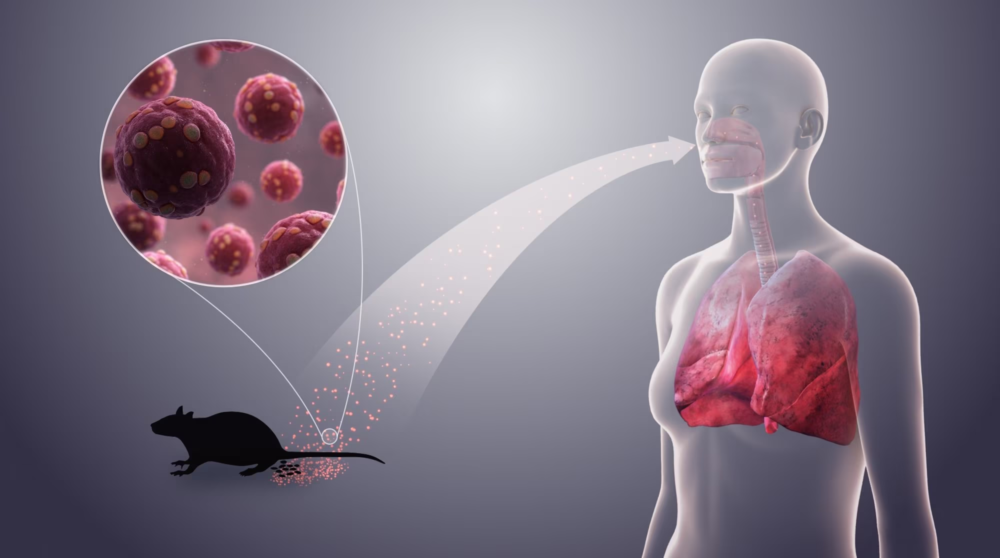
According to RBC, Hantavirus is caused by a group of viruses commonly carried by rodents, especially rats and mice.
Humans can become infected through:
- Breathing air contaminated by rodent urine, droppings, or saliva;
- Touching contaminated surfaces and then touching the mouth, nose, or eyes;
- Consuming contaminated food or water.
The strain linked to the current outbreak is known as the Andes virus, the only known type of Hantavirus capable of spreading from one person to another, although such transmission is considered extremely rare and usually requires prolonged close contact.
Symptoms of Hantavirus
Symptoms may appear between one and eight weeks after exposure to the virus and can include:
- High fever and chills;
- Severe headaches;
- Muscle and joint pain;
- Fatigue;
- Abdominal pain;
- Nausea, vomiting, and diarrhea.
In severe cases, patients may develop:
- Persistent cough;
- Difficulty breathing;
- Chest pain;
- Serious respiratory complications.
Health authorities warn that these symptoms can resemble influenza, malaria, or COVID-19, making it essential for anyone experiencing them to seek medical attention immediately.
Rwanda Strengthens Surveillance Measures
RBC confirmed that no cases or suspected cases of Hantavirus have been reported in Rwanda so far.
However, the Ministry of Health Rwanda and RBC have already implemented preventive measures, including:
- Intensifying surveillance for unusual fever and respiratory illnesses;
- Strengthening screening at borders and airports;
- Expanding laboratory testing capacity;
- Training healthcare workers to identify and manage suspected cases early;
- Enhancing collaboration under the “One Health” approach to monitor rodents and wildlife.
No Vaccine or Specific Treatment Yet
RBC emphasized that there is currently no specific treatment or vaccine available for Hantavirus, making prevention the most effective defense.
Residents are advised to:
- Maintain cleanliness in homes and food storage areas;
- Seal holes and entry points used by rodents;
- Store food and water safely;
- Wash hands regularly;
- Avoid contact with rodents and their waste;
- Wear masks and gloves when cleaning rodent-infested areas;
- Seek medical attention immediately if symptoms appear, especially after traveling or exposure to rodents.
People are encouraged to visit the nearest health facility immediately if they experience:
- High fever;
- Severe body pain;
- Difficulty breathing;
- Persistent abdominal pain, particularly after contact with rodents or travel to affected areas.
Authorities also warned against self-medication or delaying medical care.
Public Urged to Report Suspicious Cases
RBC urged the public to remain vigilant and help prevent the spread of disease by reporting:
- Clusters of unusual illnesses;
- Sudden unexplained deaths;
- Unusual increases or deaths among rodents;
- Concerns or rumors related to Hantavirus.
Residents can report such information by calling Rwanda’s toll-free emergency line, 114.
KIGALI TIMES