
KIGALI — Rwanda Climate Change and Development Network (RCCDN) has called for greater integration of agroecology into the country’s agricultural and climate policies, saying the approach can help smallholder farmers strengthen their resilience to climate change.
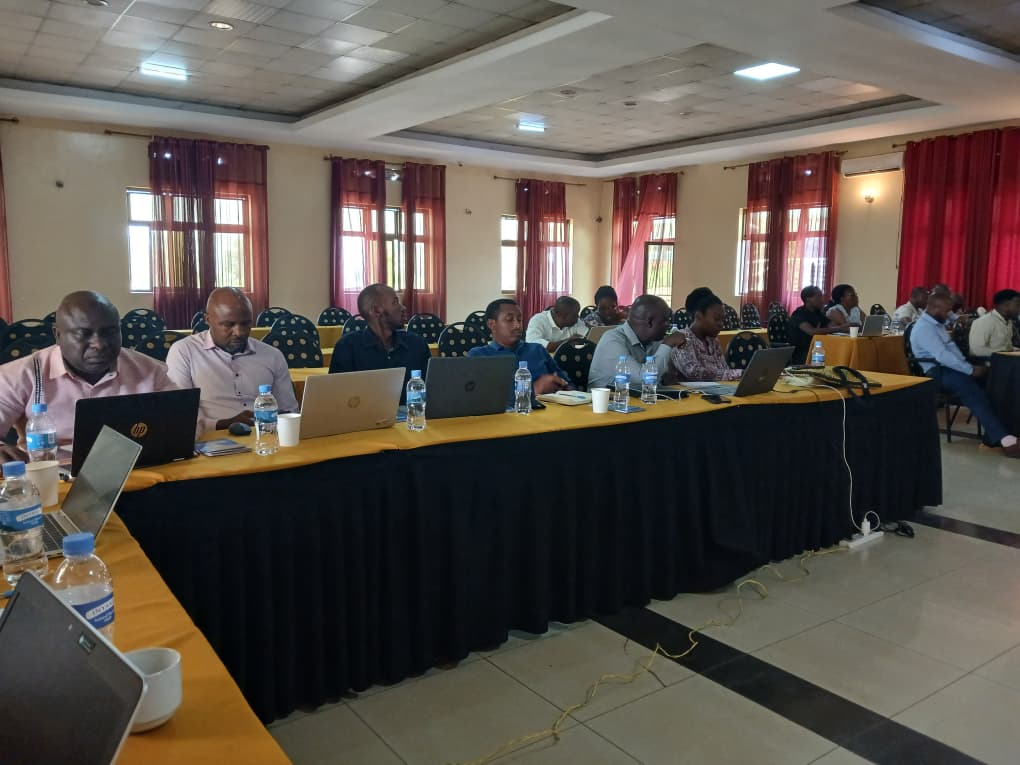
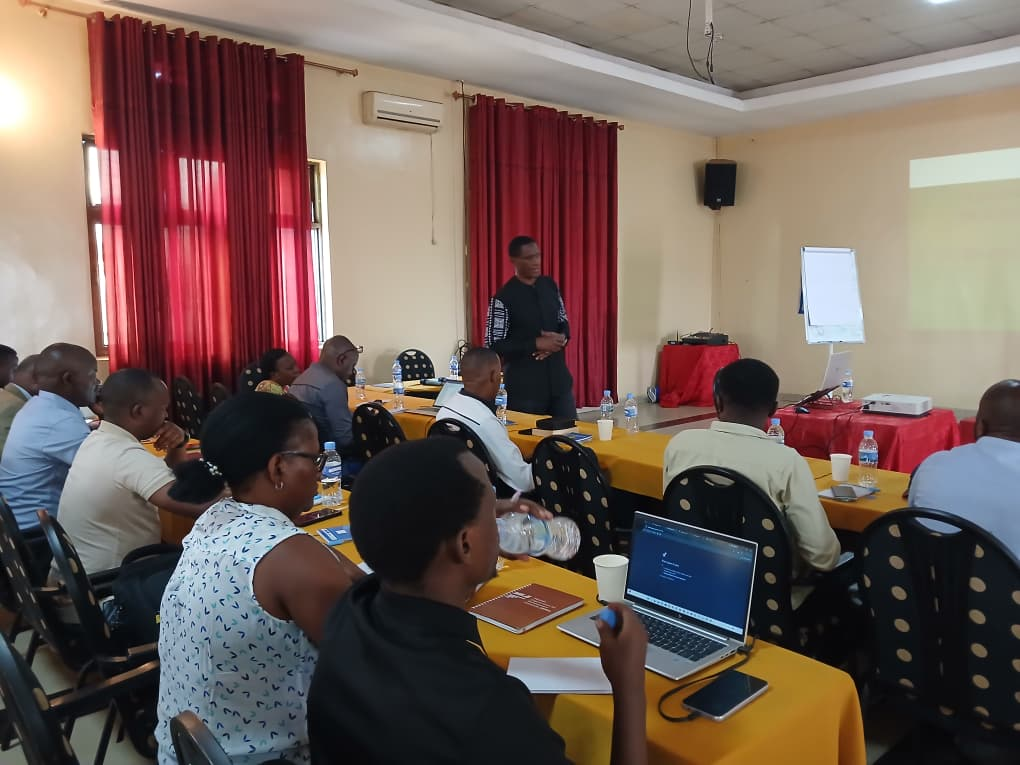
The call was made during a capacity-strengthening activity held in the City of Kigali, bringing together members of the Rwanda Climate Change and Environment Network to discuss agroecology and its integration into Rwanda’s Nationally Determined Contributions (NDCs) 3.0.
According to Faustin Vuningoma, the Coordinator of RCCDN, the training was aimed at equipping members with knowledge that can contribute to the implementation of Rwanda’s climate commitments, particularly through sustainable agricultural practices.
“We brought together some of our members to discuss agroecology and the way it is integrated into the NDCs 3.0,” Vuningoma said.
He said promoting agroecology is closely linked to building climate resilience among communities, particularly through practices that improve soil health, increase productivity and help farmers cope with changing climatic conditions.
“We talk about composting, we talk about enriching soils, and those are part of building resilience for communities because it enhances productivity,” he said.
Agroecology already practised by many Rwandans
Vuningoma said agroecological practices are not entirely new to Rwanda, noting that many farmers are already applying elements of agroecology in their day-to-day farming.
However, he argued that the practice needs stronger scientific grounding and wider support if it is to significantly contribute to climate resilience.
“By default, a lot of Rwandese are doing agroecology. Although it lacks some substance in it in terms of building it as a science,” he said.
He added that supporting small-scale farmers to adopt and strengthen agroecological practices could help them become more resilient while also reducing the environmental impacts associated with conventional agricultural systems.
“When you are talking about conventional systems, then you should be understanding that these ones have a direct relationship with greenhouse gas emissions,” Vuningoma said.
Despite its potential, Vuningoma identified several challenges that continue to limit the promotion of agroecology in Rwanda.
One of the major barriers, he said, is the current focus of agricultural extension services on commercial farming systems.
“Our extension services are still by and large focusing on commercial systems,” he said, adding that multinational companies also tend to promote commercial approaches because of their profit-oriented interests.
Another major challenge is inadequate financing.
“Agroecology is poorly funded, and promoting it becomes a challenge when it comes to doing research, when it comes to demonstrating its capacity, [and] when it comes to even promoting it within the communities,” Vuningoma said.
RCCDN is calling on government institutions to give agroecology greater recognition within national agricultural policies and programmes.
Vuningoma said agroecology should be incorporated into the country’s agriculture policy and the NDC3.0, as well as into agricultural extension strategies.
“One is that government could integrate agroecology into the national policies, the agriculture policy, PSTA 5, but ensure even that in their extension strategies, for example, agroecology is integrated,” he said.
He also welcomed Rwanda’s ongoing work around conservation agriculture, noting that it forms part of agroecology.
“I am happy that currently Rwanda is doing some good work in terms of conservation agriculture, and conservation agriculture forms part of agroecology, so we are getting there,” he said.
Development partners urged to invest in agroecology and advocate for its full integration into Rwanda’s climate policies
Beyond government, Vuningoma urged development partners to increase financial support for agroecology, particularly in research, community demonstrations and sustainable development initiatives.
“Talking to development partners, it would be important to ask that they start funding agroecology for sustainable development,” he said.
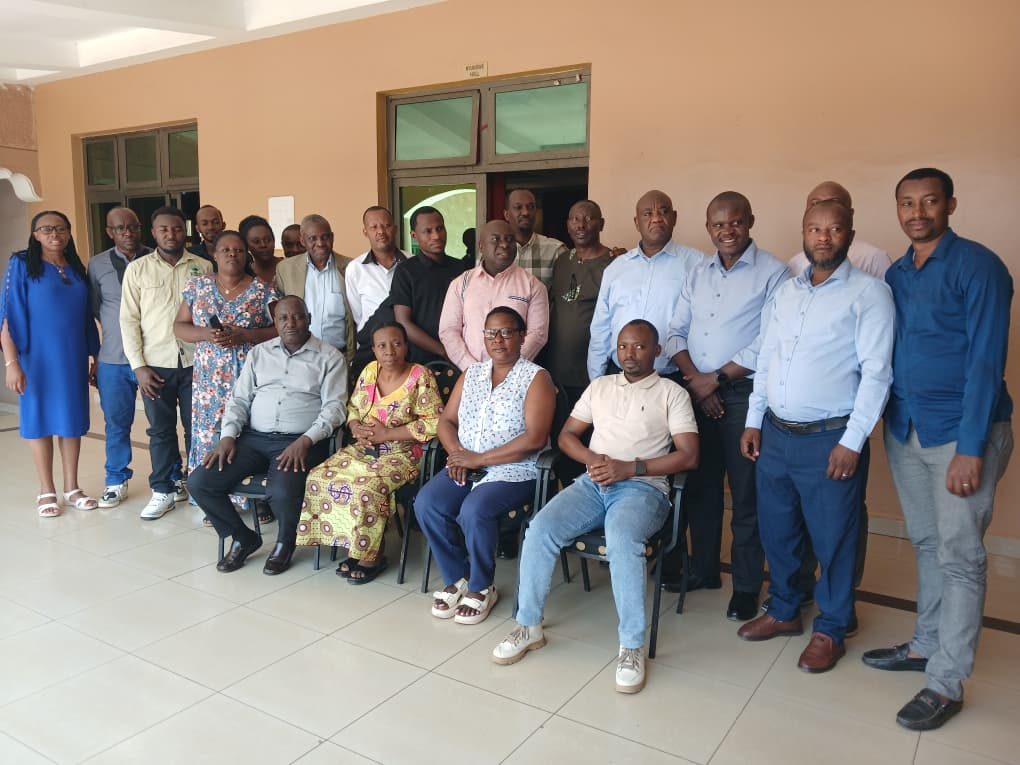
He also called on participants to turn the knowledge and skills gained from the capacity-strengthening activity into action. Participants committed to strengthening advocacy for agroecology, promoting its principles within their organisations and communities, and working collectively to support its full integration into Rwanda’s climate policies and NDC 3.0.
Workshop participants committed to translating the knowledge and skills gained from the capacity-strengthening activity into practical action. They recognized their responsibility to integrate agroecology into their programmes and grassroots interventions, strengthen advocacy for its full integration into Rwanda’s climate policies and NDC 3.0, and work collectively to promote sustainable and climate-resilient agricultural practices within their communities.
The commitment reflects a shared responsibility among civil society and development partners to advance agroecology through practical action, increased investment, and stronger advocacy for its integration into Rwanda’s climate agenda.


Gabriel UZABAKIRIHO / KIGALI TIMES