

KIGALI, Rwanda — September 3, 2026 — Uganda is seeking to change the economics of its dairy industry by bringing renewable energy, commercial finance and farmer cooperatives into the same investment model—an approach the government believes could reduce milk losses, lower production costs and unlock greater value from one of the country’s fastest-growing agricultural sectors.
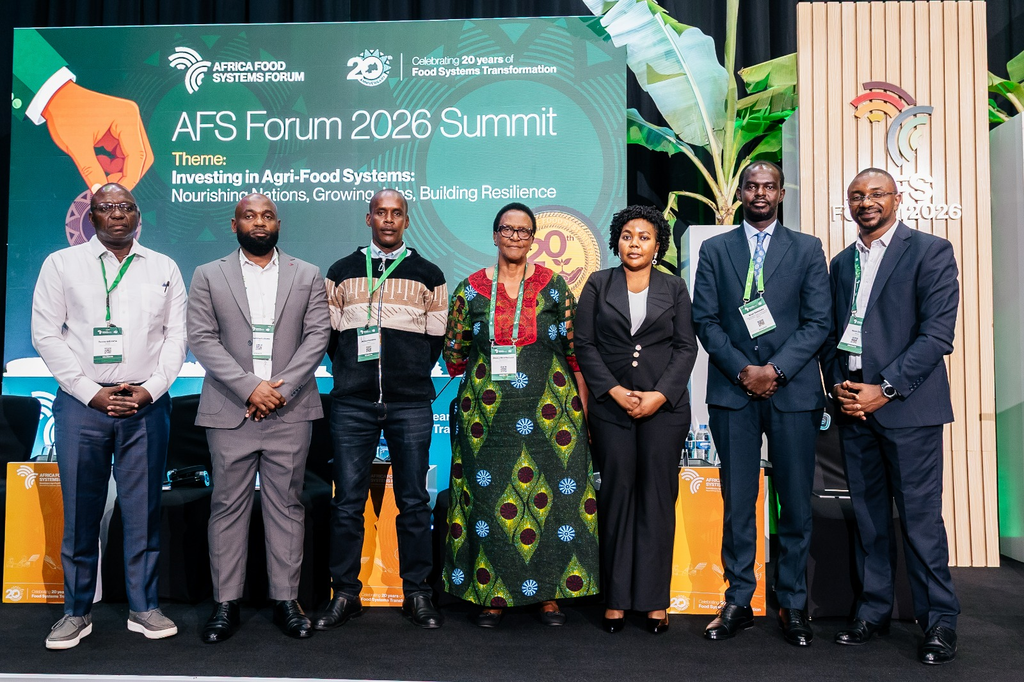
This happened in Kigali during the Africa Food Systems Forum 2026, where Uganda and its development and financial-sector partners are examining how climate-smart technologies can move beyond isolated pilot projects and become commercially viable investments that can be replicated across agricultural value chains.
For dairy cooperatives, the consequences can be significant. Without dependable power for chilling, storage and processing, milk quality can deteriorate, losses can rise and opportunities for value addition can disappear.
Uganda’s Minister of State for Animal Husbandry, Hon. Bright Rwamirama, said the country must now focus not only on expanding electricity generation, but on ensuring that energy reaches productive enterprises in rural communities.
“Milk is highly perishable and without dependable energy for chilling, storage and processing, farmers and cooperatives lose value, compromise quality and miss opportunities for value addition and access to better markets,” Rwamirama said.
Uganda has made substantial progress in electricity generation, with installed generation capacity reaching approximately 2,098 megawatts by the end of 2025. Renewable sources account for about 95 percent of installed capacity.
The emerging investment question, therefore, is less about whether Uganda can generate renewable electricity and more about how that energy can be deployed where it creates economic value for farmers and agricultural businesses.
Solar-powered cooling and other distributed renewable energy systems could provide part of the answer.
For dairy cooperatives, such systems can reduce reliance on expensive backup power, improve milk preservation and lower operating costs. When the resulting savings and productivity gains improve the financial performance of a cooperative, renewable energy becomes more than a climate intervention—it becomes a business investment.
“When renewable energy reduces costs, increases productivity and strengthens the profitability of the cooperative, it becomes not only a climate intervention but also a sound business investment,” Rwamirama said.
Many agricultural cooperatives require capital to purchase renewable energy equipment, upgrade chilling infrastructure and modernise their businesses, but may not yet meet the requirements of conventional commercial lending.
The Climate Finance Nexus Forum, a half-day ecosystem partnership event at the Africa Food Systems Forum, is therefore bringing together government, financial institutions, development organisations, technology providers, cooperatives and market actors to examine how that gap can be closed.
“To bridge the financing gap, technology alone is not enough,” Rwamirama said. “Farmers, cooperatives and agricultural enterprises need access to appropriate and affordable financing to invest in these technologies and modernize their business enterprises.”
The partnership is intended to strengthen collaboration around climate finance and productive renewable energy solutions for agricultural enterprises, while helping create a bridge between development support and commercial financing.
Heifer International Uganda has worked with farmer organisations and agricultural value chains for decades. Its support has included strengthening cooperative capacity, business planning, governance, technical assessments and partnerships designed to prepare agricultural enterprises for commercial investment.
For a financial institution, a cooperative with stronger governance, sound business planning, reliable records, technically assessed energy needs and predictable market relationships is a fundamentally different investment proposition from an informal agricultural enterprise.
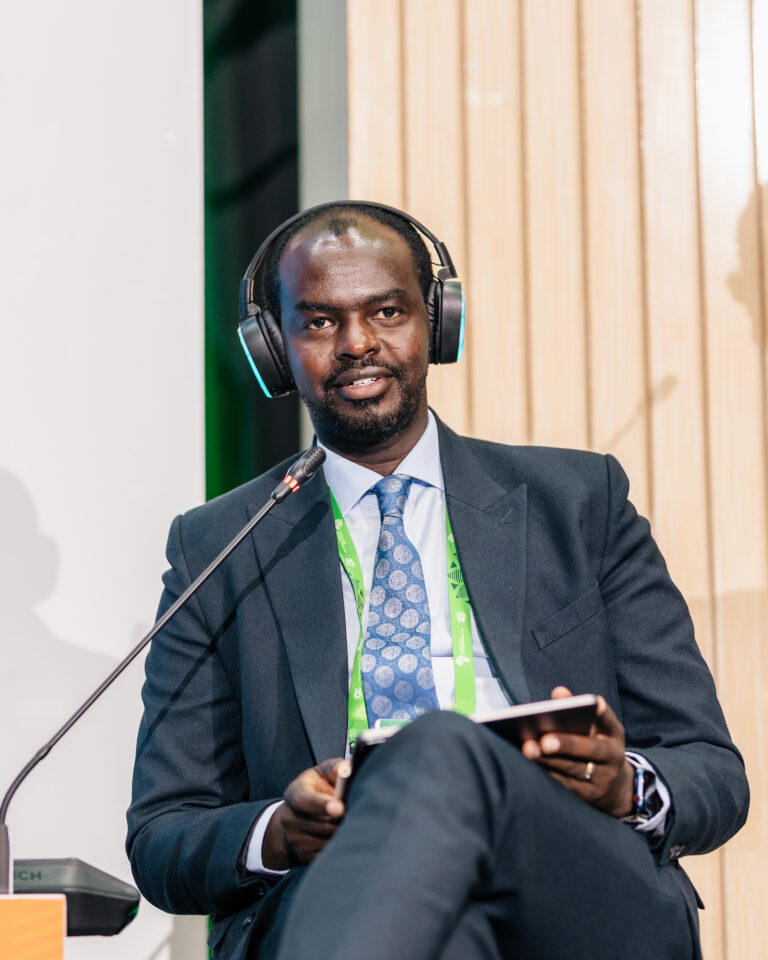
Representing the financial sector is Brian Tahinduka, Head of Energy, Infrastructure, Mining and Commercial Business, Africa Region, Stanbic Bank.
“The Stanbic Bank Uganda–Heifer International Uganda partnership reflects a broader effort to demonstrate how development organisations and commercial financial institutions can work together to move agricultural enterprises towards investment readiness,” Brian said
Uganda has approximately 16.4 million cattle, with about 40 percent classified as exotic dairy cattle. The country produces an estimated 5.4 billion litres of milk annually and has 162 small and medium-sized milk-processing plants, about 1,008 milk collection centres and 23 milk bulking centres.
For a sector of that scale, improvements in cooling, storage, processing and energy efficiency could have effects well beyond individual cooperatives.
Lower operating costs could improve cooperative margins. Better cooling could reduce milk losses and improve quality. Increased processing could create opportunities for value addition, while stronger businesses could potentially generate jobs and improve returns to farmers.
The investment model could also have relevance beyond dairy, particularly for agricultural enterprises where energy costs, perishability and inadequate processing infrastructure constrain growth.


Gabriel UZABAKIRIHO / KIGALI TIMES