
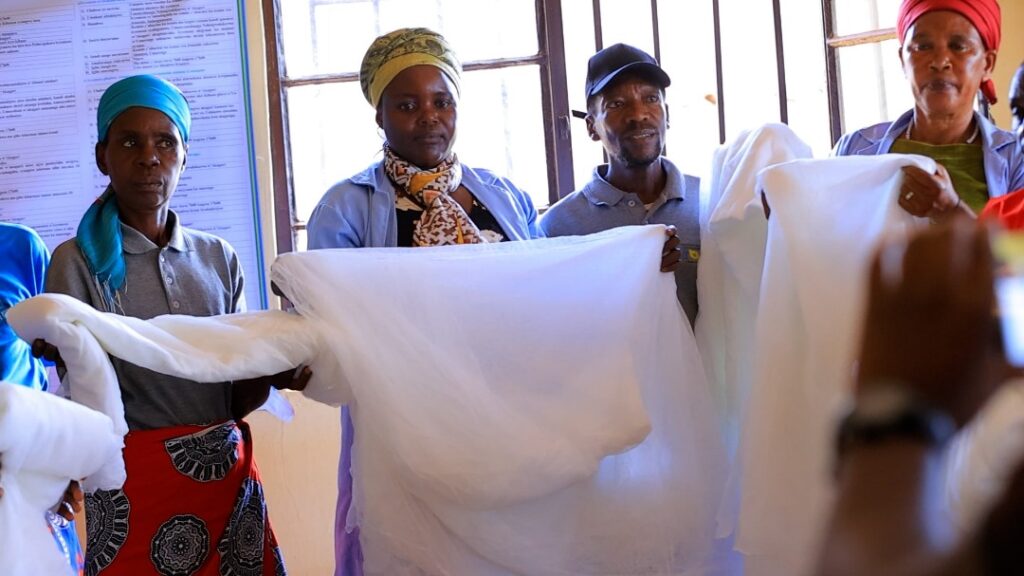
As the world commemorates International Malaria Day, communities in Rwanda are showcasing powerful stories of resilience and transformation in the fight against this deadly disease.
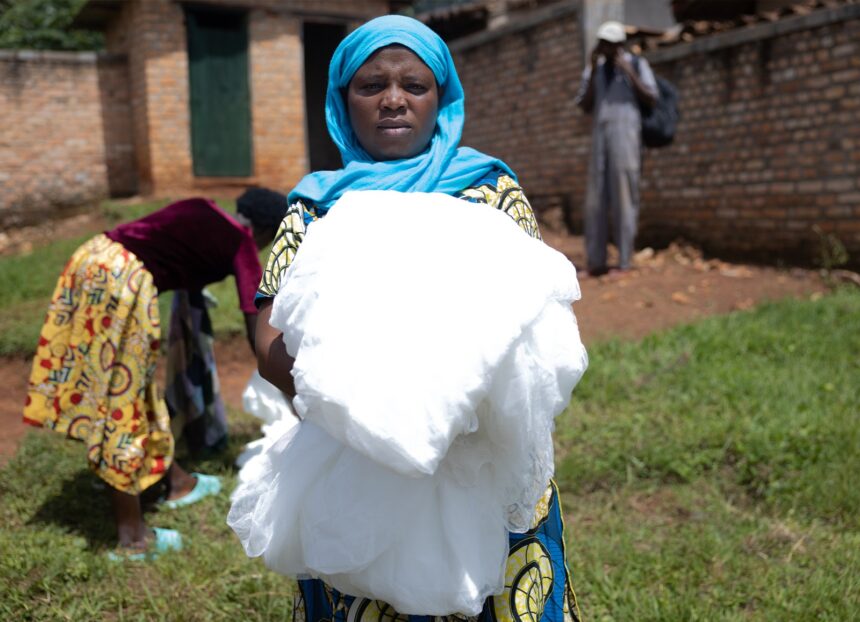
One such story is that of Mukarurangwa Marie Rose, a resident of Mukindo Sector in Gisagara District, who says her family has finally found peace after years of struggling with malaria.
Mukindo is one of the sectors most vulnerable to malaria due to its proximity to the Akanyaru swamp, a known breeding ground for malaria-carrying mosquitoes. For Mukarurangwa—a mother of five—the disease had become a constant presence in her home.
“Malaria had taken over my house. I was always at the hospital, either for myself or for my children,” she recalls. “It slowed us down because I had no time to focus on making a living.”
She admits that for a long time, her family ignored advice on malaria prevention, especially sleeping under mosquito nets, due to misconceptions and lack of awareness.
“I thought sleeping under the net would harm me. But after attending several community meetings and listening to health experts, I changed my mindset,” she explains.
Since then, her family has consistently used mosquito nets and taken further action like clearing bushes near their home. The result? A full two years without a single case of malaria in her household.
“Malaria is now history in our home. We haven’t forgotten the hardship, but we’re finally rebuilding our lives,” she says.
The Gisagara District administration continues to emphasize the importance of community action in malaria prevention. Dusabe Denise, the Deputy Mayor in charge of social welfare, notes that sectors near swamps remain high-risk zones.
“That’s why we urge residents to cut down surrounding bushes, properly use mosquito nets, and seek medical care early,” she said.
The district has implemented multiple initiatives:
- Routine home inspections to ensure mosquito net usage
- Use of drones to deliver essential malaria medicines to remote areas
- Empowerment of community health consultants, who now treat 54% of malaria patients in their villages
From February to October 2024, over 33,000 cases of malaria were reported in Gisagara District. But thanks to heightened awareness and grassroots action, the number has dropped significantly, with just over 6,000 cases reported since February 2025.
As the global community marks International Malaria Day under the theme “Malaria Ends With Us: Reinvest, Reimagine, Reignite”, stories like Mukarurangwa’s show that victory is possible—when communities lead the charge.
Gabriel UZABAKIRIHO / KIGALI TIMES