
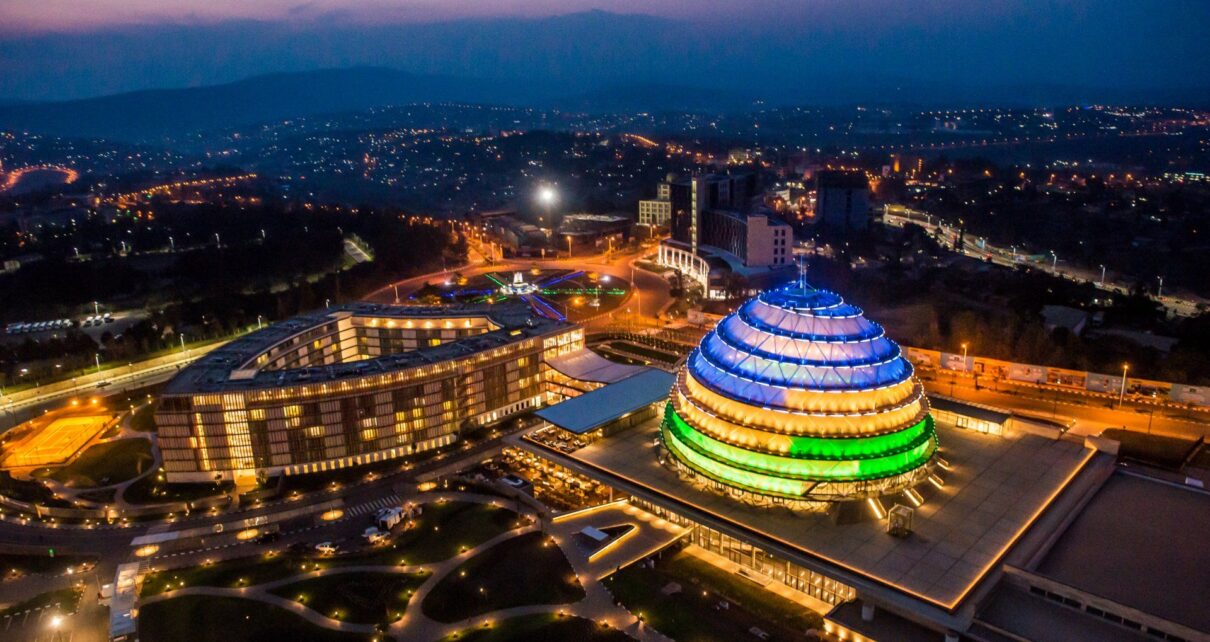
Since the 1994 Genocide against the Tutsi, Rwanda has transformed from a devastated nation to one of Africa’s fastest-growing economies.
The genocide, which claimed over a million lives, left the country’s economy in ruins, with many Rwandans living in poverty. However, significant changes have occurred due to radical government reforms.
In 2000, Rwanda launched the ambitious Vision 2020, aiming to become a middle-income country by 2020. Despite initial challenges such as macroeconomic instability, high unemployment, poverty, and low investment rates, the plan exceeded many targets, including poverty reduction, life expectancy, and GDP growth.
GDP Growth
Ivan Murenzi, Director General at the National Institute of Statistics of Rwanda (NISR), reported that Rwanda’s GDP increased from $753 million in 1994 to approximately $4 billion in 2023, maintaining an annual growth rate of about 9%, one of the highest in Sub-Saharan Africa. In the first quarter of 2024, GDP growth was 9.7%, driven by strong performances in the services, industry, and agriculture sectors.
Rwanda’s economy diversified, reducing its reliance on agriculture. Between 1994 and 1999, agriculture accounted for about 35% of the economy. This has since evolved, with the services sector now leading at 44%, while agriculture accounts for 27%.
The country is positioning itself as a hub for finance, logistics, and technology.
Foreign Direct Investment (FDI)
Rwanda has created a business-friendly environment, attracting both local and foreign investors. In 2023, 513 projects worth $2.47 billion were registered, a 50% increase from 2022, according to the Rwanda Development Board.
The government’s “Visit Rwanda” initiative has boosted tourism, enhancing both luxury and business travel. Other reforms, such as a new investment code, tax incentives, and a favorable business environment, have placed Rwanda among the top countries for doing business in the region.
Challenges and Resilience
Rwanda’s economic journey has faced challenges. As a landlocked country, costly exports and imports have put Rwanda at a comparative disadvantage. External factors like the 2008-2009 global financial crisis, rising fuel prices, and the COVID-19 pandemic have also impacted growth.
Historically, Rwanda’s development has been public sector-led, necessitated by a minimal private sector post-genocide. This has implications for the country’s debt, as the government made substantial investments in infrastructure and production to stimulate private sector growth.
Economic analyst Teddy Kaberuka highlighted the growth in domestic revenues from 30% a decade ago to 68% currently, indicating significant private sector development.
While Vision 2020 focused on post-genocide recovery, Vision 2050 aims for self-reliance. Rwanda aspires to reach upper middle-income status by 2035 and high-income status by 2050.
Source: TNT