
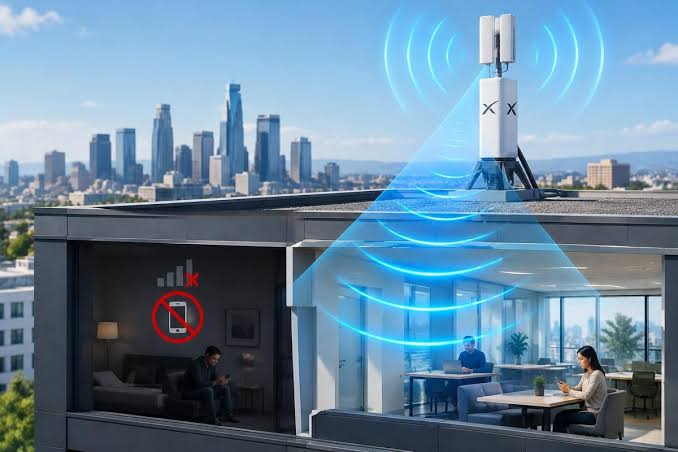
SpaceX has completed the design of a compact rooftop communication tower aimed at eliminating mobile network dead zones inside homes, particularly in buildings where thick walls and heavy roofing materials interfere with cellular signals.
SpaceX Chief Executive Officer Elon Musk announced that the devices, which could be distributed alongside Starlink internet equipment, are expected to enter production in 2027.
The rooftop units are designed to work alongside SpaceX’s Direct-to-Cell V2 satellites, which are expected to be launched in 2027 to significantly increase the capacity and bandwidth of satellite-based internet services.
According to the plans, the next-generation satellites are expected to increase data transmission capacity by up to 40 times, improving the speed and performance of direct satellite-to-phone connectivity.
To enable the integration of satellite technology with conventional mobile networks, SpaceX received regulatory approval from US authorities in 2024 to partner with telecommunications company T-Mobile in providing satellite connectivity directly to mobile phones without relying entirely on traditional cell towers.
The company has since expanded its wireless spectrum resources through a $17 billion agreement with EchoStar in 2025. This was followed by another $8 billion agreement this year to acquire additional spectrum licences designed to improve network reach and connectivity, including inside buildings.
SpaceX’s expansion raises questions for traditional telecom operators
SpaceX’s growing presence in the telecommunications industry has raised concerns about the future of traditional mobile network operators, which could face increased competition as satellite-based connectivity becomes more widely available.
However, Musk believes the expansion of SpaceX’s network will not necessarily force conventional telecommunications companies out of business.
He argued that even if traditional operators lose part of their revenue to satellite-based services, demand for internet connectivity will continue growing significantly.
Musk believes that the future expansion of artificial intelligence and human-like machines, commonly known as humanoid robots, will create enormous demand for internet services.
As these technologies become increasingly integrated into everyday life and industrial operations, the need for reliable, high-speed connectivity is expected to grow, potentially allowing both satellite providers and traditional telecommunications companies to remain relevant in the expanding digital economy.