Rwanda has launched a new initiative that will use advanced 3D digital technology to preserve museum collections and cultural heritage, a move aimed at safeguarding the country’s history from loss, damage, and the effects of natural or human-made disasters.
The project is being implemented by the Rwanda Cultural Heritage Academy(RCHA) in partnership with Global Digital Heritage (GDH), a non-profit research and education organization specializing in the digital documentation and preservation of cultural and natural heritage.
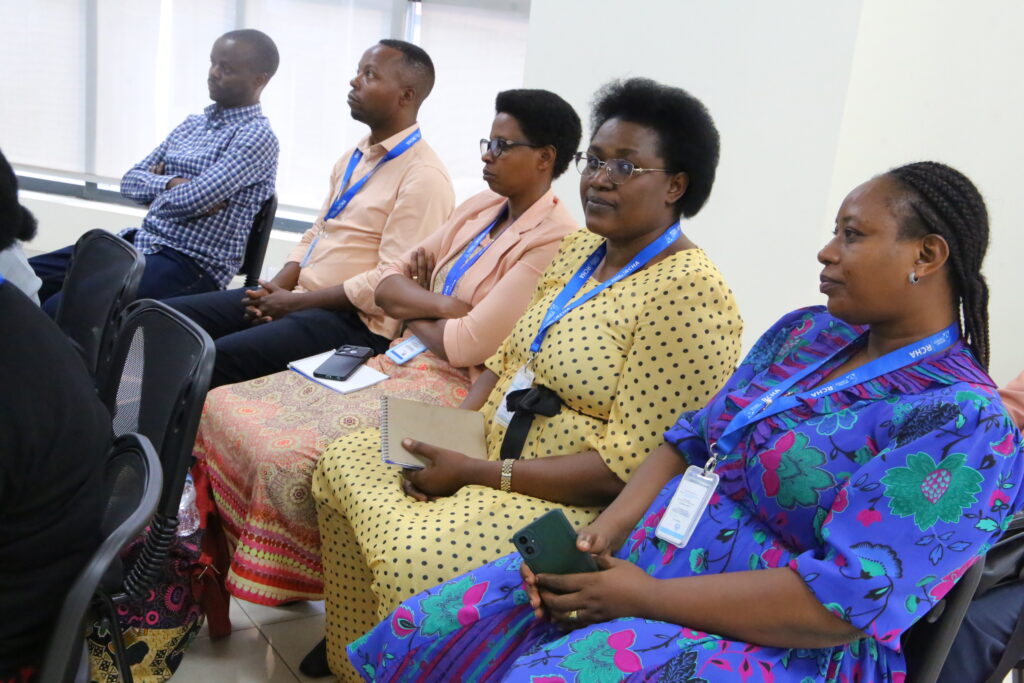
The initiative began with a training program for 17 participants, including staff from museums across Rwanda, equipping them with skills in 3D scanning and digital documentation.
The trainees spoke to journalists on August 4, 2026, following a public discussion on the role of emerging technologies in preserving Rwanda’s cultural heritage. The project forms part of a broader global effort to digitally preserve heritage sites and artifacts threatened by conflict, climate change, natural disasters, and environmental degradation.
According to Global Digital Heritage, the organization provides 3D digital documentation services to record the world’s cultural and natural heritage. Using digital visualization, 3D modeling, geospatial technologies, and open-access platforms, GDH works with governments, museums, research institutions, and local communities to create permanent digital records that support heritage conservation, education, scientific research, and public access.
Ngara Jean Bosco, a staff member of the Rwanda Cultural Heritage Academy(RCHA) based at the Art Museum in Kanombe, said the training would significantly strengthen museum conservation efforts.
“The training has given us practical skills that will improve the way we preserve our collections. Although we trained in Huye, we will apply this technology in our museum so that every cultural artifact can be digitally documented. Even if an object is damaged or disappears, its digital record will remain available for future generations,”
he said.
Mutoni Peace, who works at the Red Rocks Cultural Tourism Centre in Musanze, said the technology would make Rwanda’s history more accessible, particularly to young people.
“We learned how to create highly accurate 3D scans of museum objects. The technology captures every angle of an artifact and produces a digital model that faithfully represents the original. This allows important cultural objects to be preserved exactly as they are,” she said.
She added that the technology would also enable virtual access to museums.
“People will be able to explore our heritage online without travelling to museums. It is also an important safeguard because, if disasters such as fires occur, we will still have accurate digital records that preserve the authenticity of our cultural heritage,” she added.
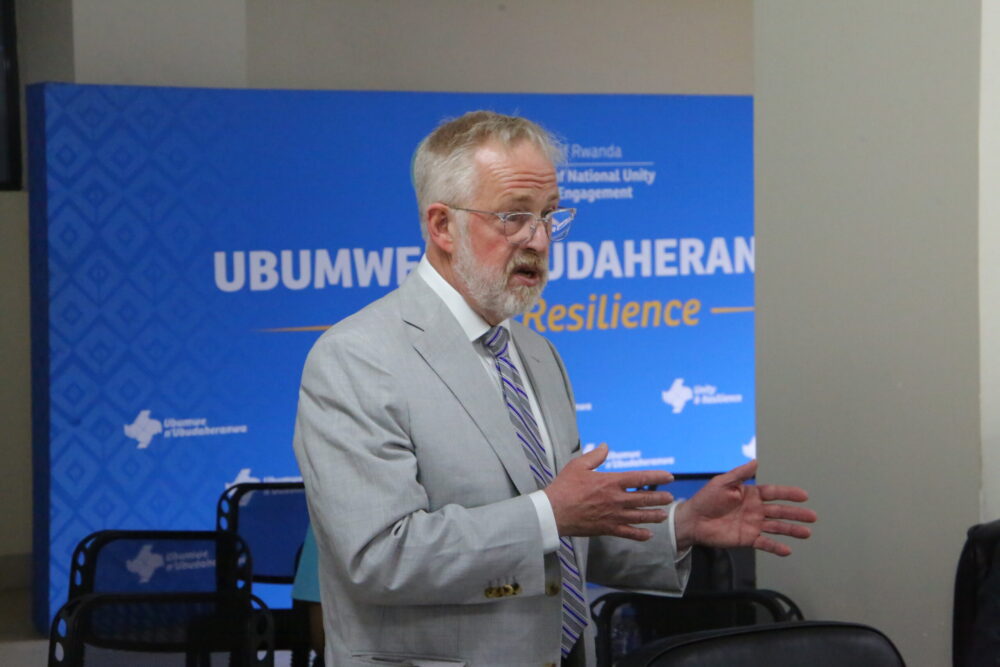
Dr. Herbert Maschner, President and Chief Scientist of Global Digital Heritage, said the organization is committed to helping countries preserve their heritage using modern digital technologies.
“Global Digital Heritage is currently implementing similar projects in 22 countries around the world. In Africa, we are working with partners in Malawi, Zimbabwe, Ghana, Morocco, Nigeria, Zanzibar, and now Rwanda. We are pleased to collaborate with Rwanda in strengthening the digital preservation of its rich cultural heritage,” he said.
Ambassador Robert Masozera, Director General of the Rwanda Cultural Heritage Academy, said the initiative would not only strengthen the protection of Rwanda’s heritage but also raise its international profile.
“Digital preservation goes beyond traditional conservation methods. It allows cultural heritage to be stored securely for generations, makes it easier for researchers and the public to access it, and helps showcase Rwanda’s rich culture and history to audiences around the world,” he said.