

At this year’s Africa HealthTech Summit in Kigali, one of the most discussed ideas wasn’t a flashy app or drone delivery system—it was a quiet revolution in maternal mental health. And it came from a homegrown innovation now gaining serious attention: Maisha Mothers, a program aiming to bring universal mental health care to every mother in Rwanda, without burdening the public health budget.
The program’s creators, Thalia Psychotherapy, used the summit’s spotlight to propose a public–private partnership (PPP) that could reshape how maternal mental health is funded—not just in Rwanda, but across the region.
Their idea is simple: don’t make mental health compete with other urgent health needs. Instead, build a new financing model, one that taps into local pension funds to sustainably support screenings, therapy, and follow-up care for mothers experiencing depression, anxiety, or trauma after childbirth.
“Universal health coverage means nothing if mental health is left behind,” said Mercy Mwende, Thalia’s co-founder and head of operations. “We want every mother to be asked how she’s feeling—not just if the baby is okay, but if she is okay too.”
A Crisis Hidden in Plain Sight
Postpartum depression affects at least 1 in 5 mothers in Rwanda, according to recent studies. Yet services are scarce, and cultural stigma makes it even harder to ask for help. Maisha Mothers changes that by screening women during routine antenatal and postnatal visits, referring them to care early, and offering financial relief through discounted baby essentials like diapers and food.
The model has already shown promise, and now Thalia wants to take it national. But they know the bottleneck is money.
Not Aid—Assets
What Thalia is proposing isn’t more donor funding or short-term pilots. It’s a long- term investment opportunity. Under the PPP model:
- The Rwandan government provides the enabling environment and integration into public clinics.
- Thalia provides the systems, trained staff, and digital tools.
- Pension funds provide the capital, repaid through impact bonds and outcome-based agreements.
The returns?
- Social: Reduced suicide, better infant bonding, healthier families.
- Commercial: Predictable, verified returns tied to clearly defined metrics— like the number of mothers screened or treated.
The approach, presented during the summit’s track on Universal Health Coverage, was aligned with the broader goal of building resilient systems that are locally funded, locally managed, and scalable.
A New Asset Class for Africa’s Savers
One of the most striking parts of Thalia’s pitch is the idea of maternal mental health as an investment-grade asset. African pension funds are sitting on billions in long- term capital but face a persistent problem: where to invest safely, locally, and ethically.
Traditional options are limited. Government bonds are stable but low-yield. Infrastructure is slow and political. Foreign investments invite currency volatility.
Recognition and Momentum
The Africa Digital Health Network (ADHN) took notice, naming Thalia Psychotherapy a “Startup to Watch” in the Scale-Up category. That came just months after the company was recognized by Bloomberg and VivaTech for its innovations in mental health access.
If Rwanda adopts the PPP model, it would be among the first African countries to use pension-backed bonds to fund mental health services. Early discussions with government stakeholders are reportedly underway.
“This isn’t just about mental health. It’s about how we fund the future,” one advisor said after the summit. “We can solve local problems with local capital—if we build the right structures.”
What Happens Next?
- Government: Expected to review the PPP structure and mental health protocol integration.
- Pension trustees: Invited to a closed-door briefing on the impact bond structure.
- Donors: Being asked to backstop initial outcome payments or provide first- loss coverage.
- Hospitals and insurers: Begin training staff on the maternal mental health screening process.
In a country known for bold, systems-level reforms, Maisha Mothers may be Rwanda’s next big step. This time, not just for the body—but for the mind.
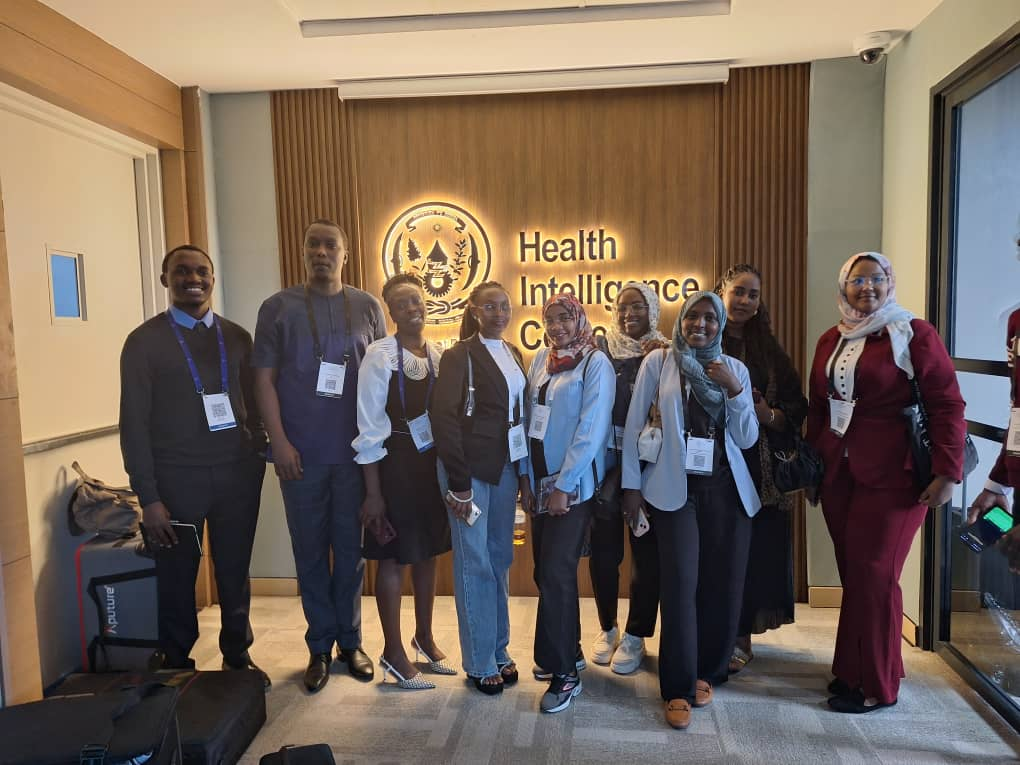
Gabriel UZABAKIRIHO / KIGALI TIMES