
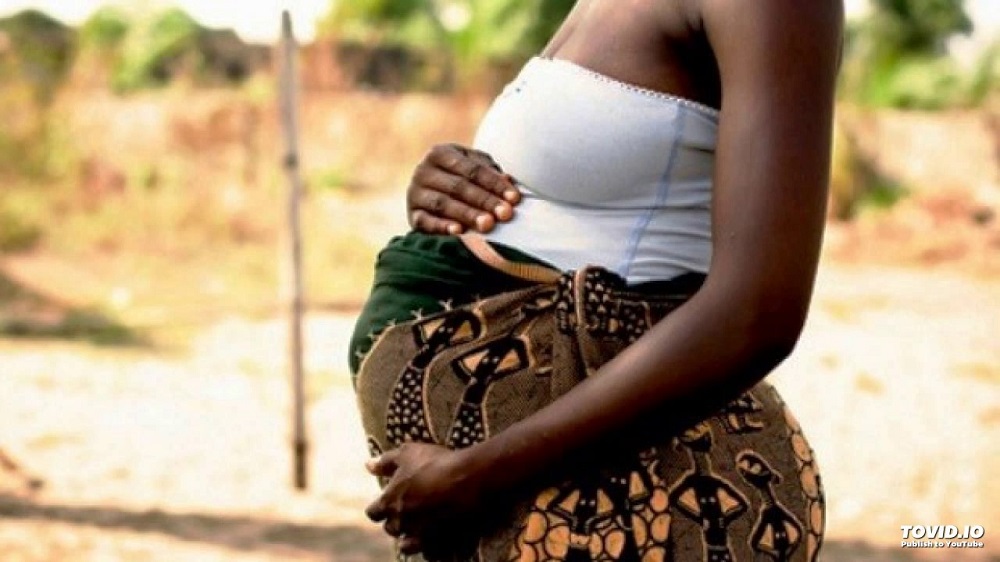
On Monday, August 4, Rwanda’s Parliament approved a new healthcare services bill that introduces clear procedures and responsibilities for those entering into surrogacy arrangements. The law sets up a legal structure for intended parents, surrogate mothers, and healthcare providers involved in the process.
According to the new bill, surrogate mothers won’t receive payment for carrying a child but will be reimbursed for any costs directly related to the pregnancy — such as medical treatment, check-ups, and proper nutrition.
Before the process begins, the intended parent(s) and the surrogate mother must sign a legally binding agreement in the presence of a notary. A few key requirements must be confirmed beforehand:
- Proof of infertility
Surrogacy is allowed only when a licensed doctor confirms that the intended mother cannot carry a pregnancy or that doing so could risk her health or that of the baby. - Surrogate must be 21–40 years old
The surrogate must meet specific health and age criteria — she should be between 21 and 40, have had at least one successful pregnancy without complications, and be in good health. - Finding a surrogate is the intended parent’s responsibility
Intended parents must identify the surrogate themselves, take care of all medical-related expenses until six weeks after birth, treat the surrogate with respect, accept the result of the pregnancy, and take on full responsibility for the child once born. - Medical compliance during pregnancy is a must
The surrogate mother is expected to follow the medical plan prescribed by her doctor, attend regular prenatal care visits, avoid harmful behaviors, maintain open communication with the intended parent, and hand over the baby after birth — unless the intended parent chooses not to.
What advocates are saying
Aflodis Kagaba, who heads the Health Development Initiative (HDI), emphasized that Rwanda is intentionally avoiding commercial surrogacy by only allowing reimbursements that meet the surrogate’s real needs — like medical bills, a healthy diet, or insurance. He believes this is crucial in protecting women from being taken advantage of.
Similarly, Jacques Nsengiyumva, the Executive Director of the Rwanda Women, Adolescent, and Child Health Initiative (RWACHI), welcomed the new law, saying it comes at the right time. He believes it could offer hope to families struggling with infertility.