

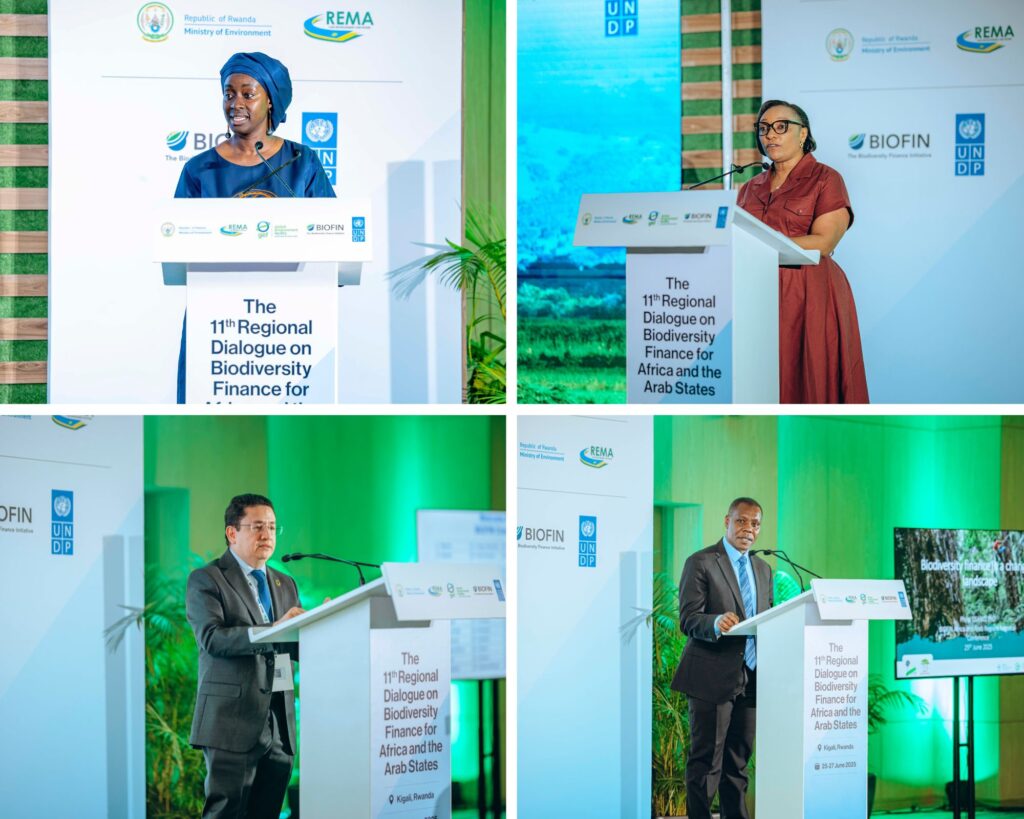
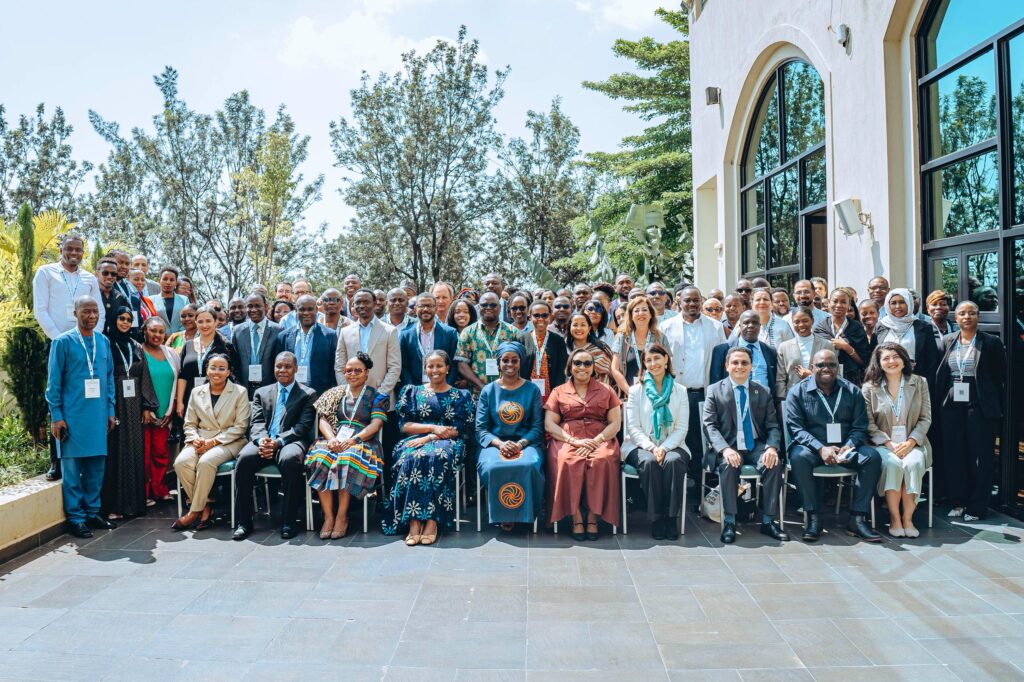
Rwanda is at the center of global efforts to protect nature and transform biodiversity commitments into real investments, as over 150 experts and senior officials from 55 countries across Africa and the Arab States gather in Kigali this week.
The three-day 11th Regional Dialogue on Biodiversity Finance, hosted by the Government of Rwanda in partnership with the United Nations Development Programme’s Biodiversity Finance Initiative (UNDP-BIOFIN), signals a critical shift from planning to action as countries work to mobilize sustainable finance for nature.
With support from the Global Environment Facility (GEF), over 40 new countries from the two regions have joined BIOFIN’s global network, marking a historic expansion of the initiative. The focus is now on implementing practical financial solutions such as green bonds, nature-based insurance, and biodiversity credits, all tailored to national priorities.
“As custodians of one of the world’s richest ecosystems, Rwanda believes in the power of innovation to turn biodiversity commitments into action,” said Juliet Kabera, Director General of the Rwanda Environment Management Authority. “This dialogue is a vital step toward building economies that thrive in harmony with nature.”
Turning Ambition into Action
Africa and the Arab States are home to extraordinary biodiversity. Yet, the regions face significant financing gaps, with global shortfalls in biodiversity funding estimated at over $700 billion per year. The conference emphasizes innovative financing approaches that can unlock substantial public and private resources for conservation.
UNDP-BIOFIN has already catalyzed $1.6 billion for nature across 41 countries by strategically using limited donor resources to attract larger investments.
“This is a pivotal moment,” said Onno van den Heuvel, UNDP’s Head of Nature Finance. “The rapid growth of BIOFIN in these regions, supported by the GEF, shows how finance can drive conservation and lift communities.”
Solutions Already Making an Impact
The Kigali dialogue offers a platform for countries to learn from real-world successes:
- Rwanda introduced IremboPay, a digital system for collecting environmental fines and fees, generating over $122,000 for conservation projects through the Rwanda Green Fund.
- Botswana reformed protected area fees, raising over $7 million to reinvest in conservation.
- Zambia issued its first green bond in 2023, raising $150 million for biodiversity and renewable energy projects.
- South Africa developed 16 biodiversity finance solutions, including efforts to reform harmful subsidies and create green jobs.
- Egypt introduced sustainable tourism and enterprise models that generate revenue for protected areas.
Rwanda as a Regional Example
The dialogue also highlights Rwanda’s leadership in using technology and policy reforms to protect nature while advancing sustainable development.
“Biodiversity is our critical infrastructure,” noted Fatmata Lovetta Sesay, UNDP Resident Representative in Rwanda. “Without it, food security, water, health, and climate resilience are at risk. Rwanda shows what’s possible when leadership meets innovation.”
Looking Ahead
The momentum generated in Kigali feeds directly into global efforts to meet the Kunming-Montreal Global Biodiversity Framework targets and to build nature-positive economies, which the UNDP estimates could unlock up to $10 trillion in new business opportunities worldwide.
The conference underscores that biodiversity finance is not just about mobilizing funds but about transforming economic systems to work for both people and the planet.
Alice DUSABIMANA / KIGALI TIMES