Jean Gabriel UZABAKIRIHO
Climate change refers to long-term shifts in temperatures and weather patterns, primarily caused by human activities such as deforestation and the burning of fossil fuels. These changes have severe consequences, including rising temperatures and prolonged sun exposure, which disproportionately affect vulnerable populations, including people with albinism.
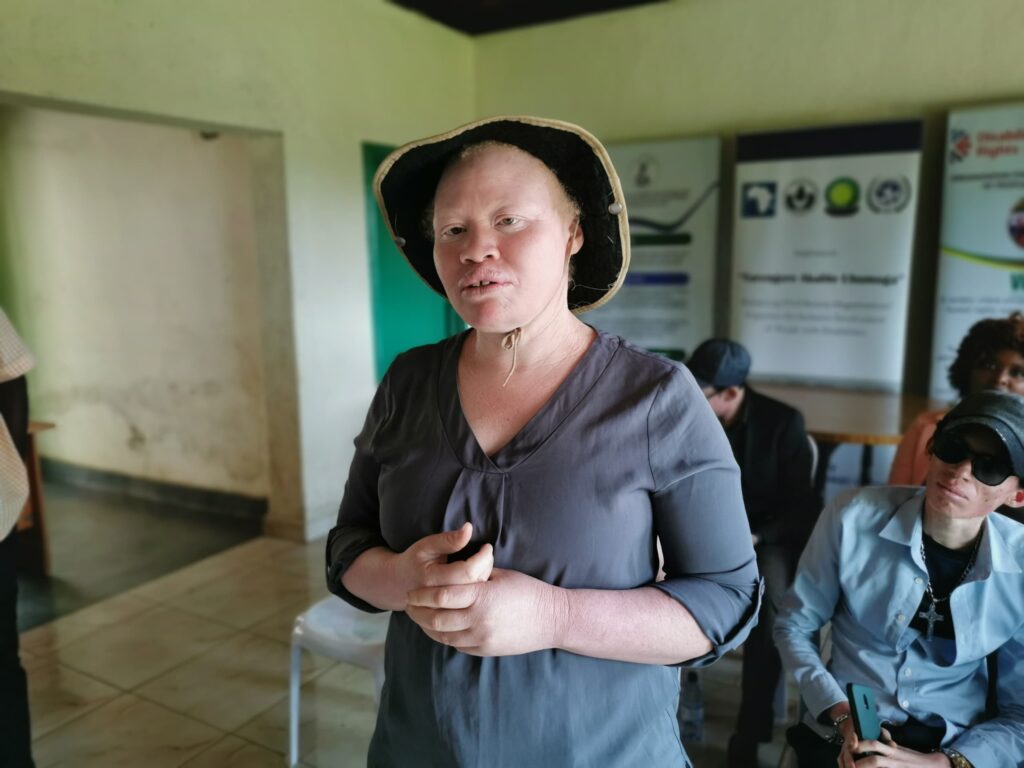
People with albinism face unique challenges that extend beyond their genetic condition, especially in the face of climate change. As the sun remains their worst enemy, many find themselves unable to engage in outdoor labor, which is the primary source of income for most people in Rwanda. This limitation leads to economic hardship, pushing many albinos into poverty.
What is albinism?
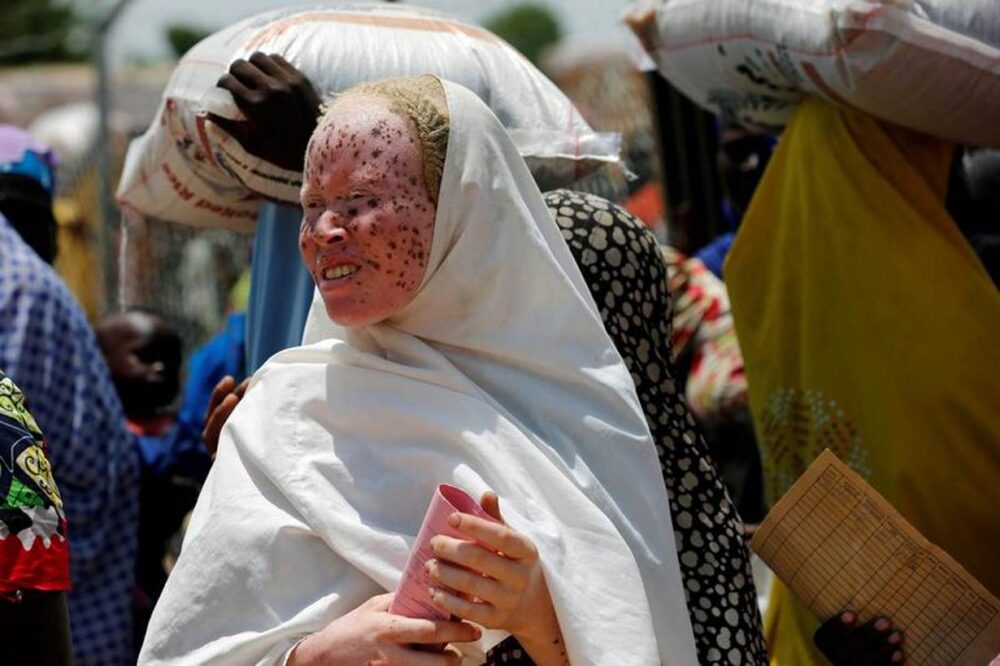
Albinism is a result of a lack of pigmentation (melanin) in the hair, skin and eyes, causing vulnerability to the sun and bright light. Due to this, almost all people with albinism are visually impaired and are prone to developing skin cancer.
Data from the UN indicate that in some countries, the majority of people with albinism aged between 30 and 40 years die from skin cancer.
According to Dr. Nicodeme Hakizimana, Executive Director of the Organization for Integration and Promotion of Persons with Albinism (OIPPA), regular health checks, sunscreen, sunglasses, and sun-protective clothing would prevent the disease.
However, this is nearly impossible in Sub-Saharan countries, particularly Rwanda, where people living with albinism live in extreme poverty due to discrimination and stigmatization.
Dr. Nicodeme emphasizes that albinism is not restricted to a specific lineage—anyone can give birth to an albino child. “Whether you are albino or not, you can have an albino baby. That is why we must all make this issue our concern,” he stated.
He calls for collective responsibility, urging society to recognize albinism as a shared concern rather than an isolated issue. Discrimination against albinos often stems from misconceptions and stigma, which must be actively challenged to create an inclusive society.
Murekatete Claudine, a resident of Butare village in Masaka sector, Kicukiro District, knows the weight of this stigma firsthand. As a mother of two albino children, she faced rejection from her husband’s family. “They told me my children were not part of their lineage, and that broke me. Life became tough as I struggled to raise them alone, yet I had no job and my husband barely provided for us.” she shared.
However, after giving birth to three non-albino children, her situation changed, and acceptance from her in-laws improved. “It was painful to see how perceptions shifted just because I had other children without albinism,” she added.
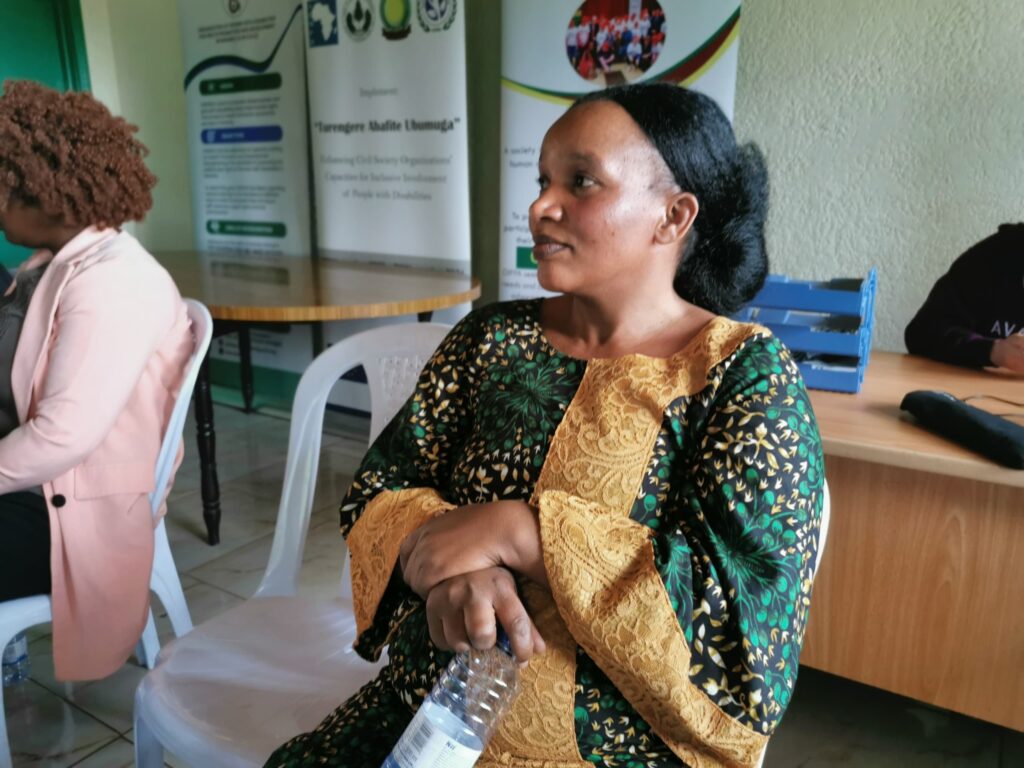
Mukamana Vumiliya says that albino girls are discriminated against and sexually assaulted because of the misguided belief that having sex with them brings luck. “This mentality is dangerous and must stop. It is ruining the future of innocent girls instead of protecting them,” she urged. She calls for strong measures to combat such harmful myths and ensure the safety and dignity of albino girls in society.
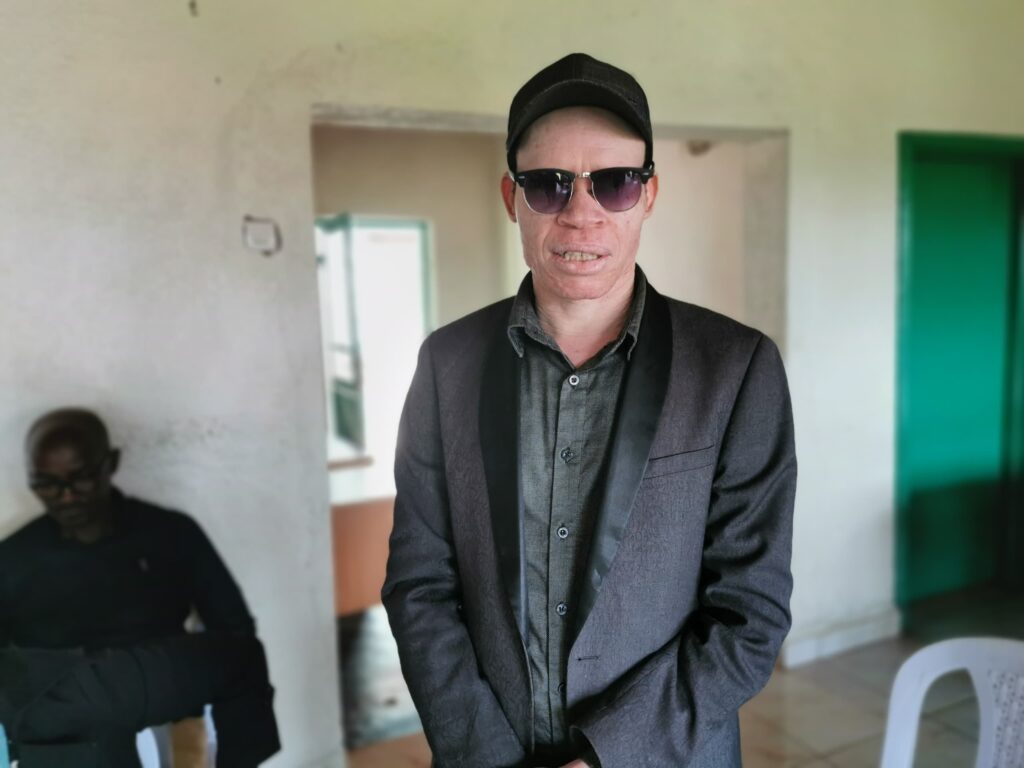
The effects of climate change further complicate the lives of people with albinism. Charles Komezusenge, the Vice Chairman of OIPPA, experienced severe skin issues due to his work in road construction. “I didn’t know that prolonged exposure to the sun could lead to such damage. I almost became a skin cancer patient,” he revealed.
Fortunately, he received early treatment, saving him from a severe health crisis. He now urges the government to take stronger action in mitigating the effects of climate change on people with albinism. “Rising temperatures and extreme sun exposure make it nearly impossible for us to work safely. We need government intervention to protect our livelihoods,” he pleaded.
Charles like many other albinos face several challenges in life because of their condition. They require sunscreen body lotions and creams to help keep their skin in good condition.
To combat these challenges, there is a need for targeted interventions. Public awareness campaigns should educate communities about albinism to eradicate stigma and misinformation. Additionally, they request the government to provide subsidized sun-protective gear, especially sunscreen.
Strengthening inclusive policies and ensuring economic opportunities for albinos will help alleviate poverty and promote equality.
The number of people with albinism varies by location and type of albinism. The fifth Population and Housing Census of 2022 states that there are 1860 albinos in Rwanda, though it is estimated to be around 1 in 17,000 to 20,000 people worldwide.
The prevalence of albinism is higher in Sub-Saharan Africa, with estimates of 1 in 1,000 to 1,400 people affected.