
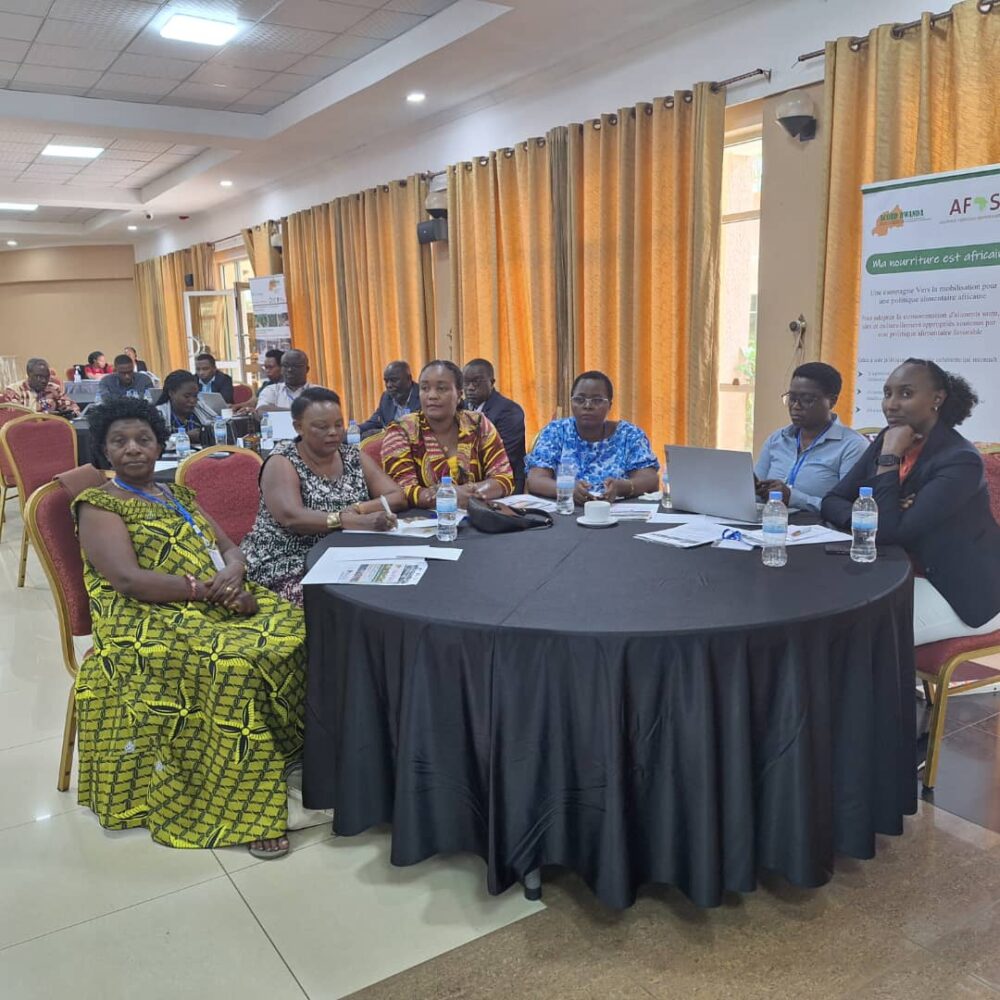
In Rwanda’s rural regions, women farmers are often on the frontline of climate change impacts, bearing the weight of challenges as weather patterns become increasingly erratic. These changes not only jeopardize food production but also fuel family conflicts, as women are frequently held responsible when yields are poor, and resources run thin.
Such hardships can strain family dynamics, with some husbands accusing wives of neglecting family duties in their struggle to manage both farming and domestic responsibilities.
For farmers like Gertrude Mukamibungo from Ngororero District, Nyange Sector, Bambiro Cell, Gakoma Village, climate change has brought not just economic but physical strain.
“When it rains, I am the one who has to rush to bring everything inside so it doesn’t get wet—livestock, tools, everything. Then I still need to cook and do the other chores,” she shared.
The burden has taken a toll on her health, leading to frequent illness, exhaustion, prolonged period bleeding.
Droughts present a different but equally challenging reality, as some husbands leave their families, unable to face the hunger that intensifies during these dry spells.
With limited resources and added responsibilities, women like Gertrude are left alone to provide for themselves and their children, impacting both their well-being and security.
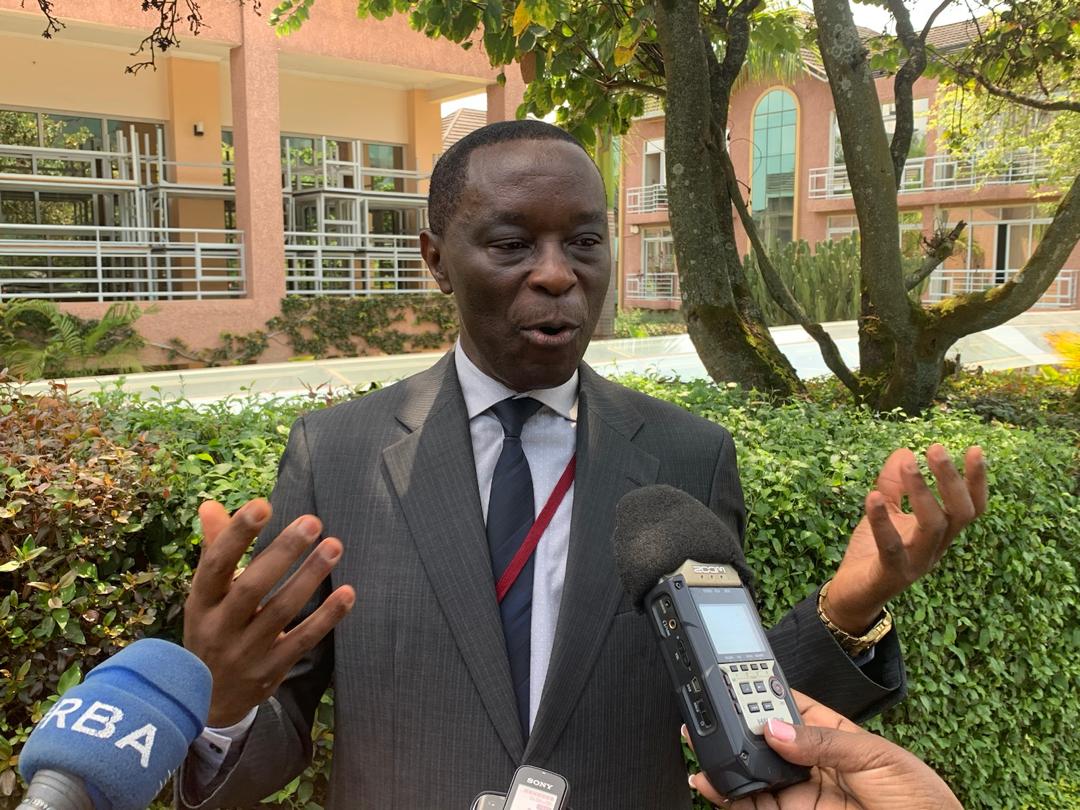
Munyentwali François, the coordinator of ACORD Rwanda, stresses that women must be empowered to take action against these climate-related issues.
“Women should be the first to receive support in adapting to climate challenges, with access to tools and resources that will benefit both their agricultural activities and their household responsibilities,” he said.
This support is crucial for what he calls “unpaid work”—the domestic and caregiving labor that women predominantly perform without financial compensation.
Munyentwali emphasized that climate change solutions should involve everyone, as agriculture’s success is increasingly challenged by irregular seasons.
“Unlike ancient times when seasons were predictable, we can no longer rely on traditional timing. Instead, farmers need to grow climate-resilient crops, like sweet potatoes and sorghum, which the government is actively promoting to withstand changing conditions,” he explained.
In discussing Rwanda’s Climate Change and Gender Monitoring Policy, Munyentwali highlighted the need for gender-responsive strategies to ensure women farmers aren’t left behind in the push for sustainable agriculture.
Rwanda’s Gender Monitoring Office (GMO) echoes this, noting that despite owning more agricultural land than men, women still face significant disadvantages in accessing resources.
The GMO report states that women often have limited purchasing power to buy essential inputs like seeds and fertilizers and struggle to access information on government subsidies, particularly for cash crops typically managed by men. Instead, women tend to focus on subsistence crops, which remain unsupported under current policies.
“To bridge these gaps, the national agricultural input subsidy program should be revised to better meet the needs of smallholder women farmers,” the report suggests.
Rwanda faces significant climate-related challenges, being the most densely populated mainland country in Africa. Annually, over 10,000 Rwandans are directly affected by extreme weather events such as floods and droughts, which destroy more than 15,000 hectares of agricultural land each year. This devastation poses a threat to food security and undermines efforts to achieve the Sustainable Development Goals, costing the nation an estimated $300 million in damages every year.
Farmers are encouraged to follow climate updates from METEO Rwanda to adjust their practices to the new climate realities. Yet, as climate change continues to impact lives across the countryside, Munyentwali urges for a mindset shift: “This is a call for all of us to be proactive. Women and men alike must support one another as we adapt, ensuring that no one is left behind in this urgent challenge.”