
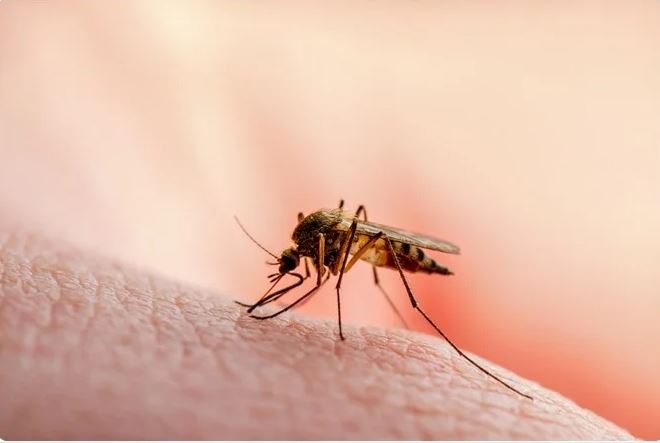
The World Health Organization (WHO) has officially certified Egypt as malaria-free, a remarkable achievement praised by the UN public health agency as “truly historic.”
WHO Director-General Tedros Adhanom Ghebreyesus highlighted that malaria, once a significant threat to Egyptian civilization, is now a part of its history.
Egypt’s fight against malaria began nearly 100 years ago, with early efforts to combat the mosquito-borne disease. The certification was granted after Egypt proved there had been no local transmission for at least three consecutive years.
Malaria, which claims over 600,000 lives annually, mostly in Africa, has now been eradicated in Egypt.
WHO commended both the Egyptian government and its citizens for their dedication to ending the disease, which has been present in the region since ancient times.
Egypt is the third country in the WHO Eastern Mediterranean Region to achieve this milestone, following the United Arab Emirates and Morocco. Globally, 44 countries and one territory have received similar certifications.
However, the WHO emphasized that this certification marks the beginning of a new phase for Egypt, urging the country to remain vigilant in maintaining its malaria-free status.
To earn the certification, Egypt demonstrated its ability to prevent the re-establishment of malaria transmission. The efforts date back to the 1920s, including measures like banning rice cultivation near homes to limit human-mosquito contact.
Though vaccines are available in some areas, monitoring the disease and avoiding mosquito bites remain the most effective strategies for preventing malaria.