Rwandan history: Expansion of Rwanda under Kigeli II Nyamuheshera
The previous segment of this serialized narrative concluded with the passing of Mutara I Semugeshi and his burial in what is now Rutare sector in Gicumbi district.
Following his demise, his son and successor, Kigeli II Nyamuheshera (1576-1609), took the throne. According to tradition, Kigeli II Nyamuheshera was celebrated as a skilled and formidable warrior. His elite militia, known as the “Inkingi-Pillar,” suffered a significant setback when one of its divisions, the “Iziruguru,” was nearly wiped out during an assault on Bungabungo.
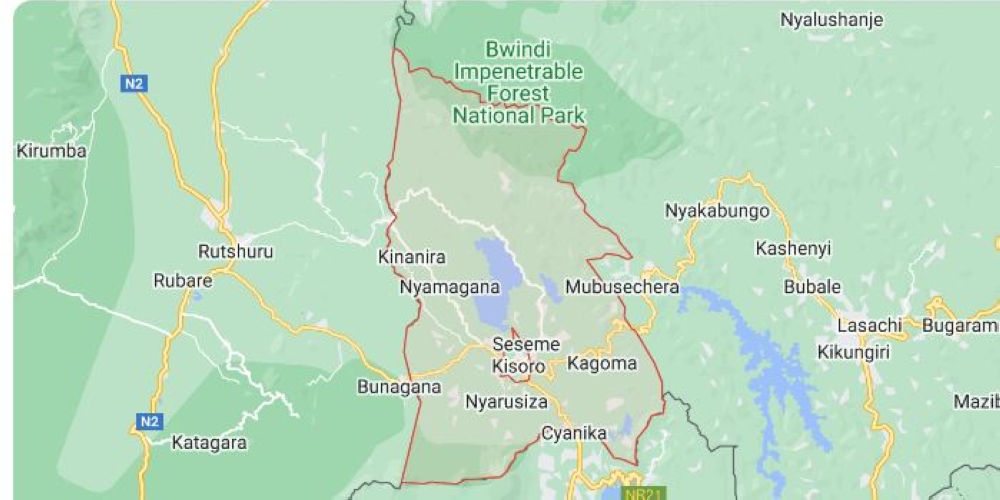
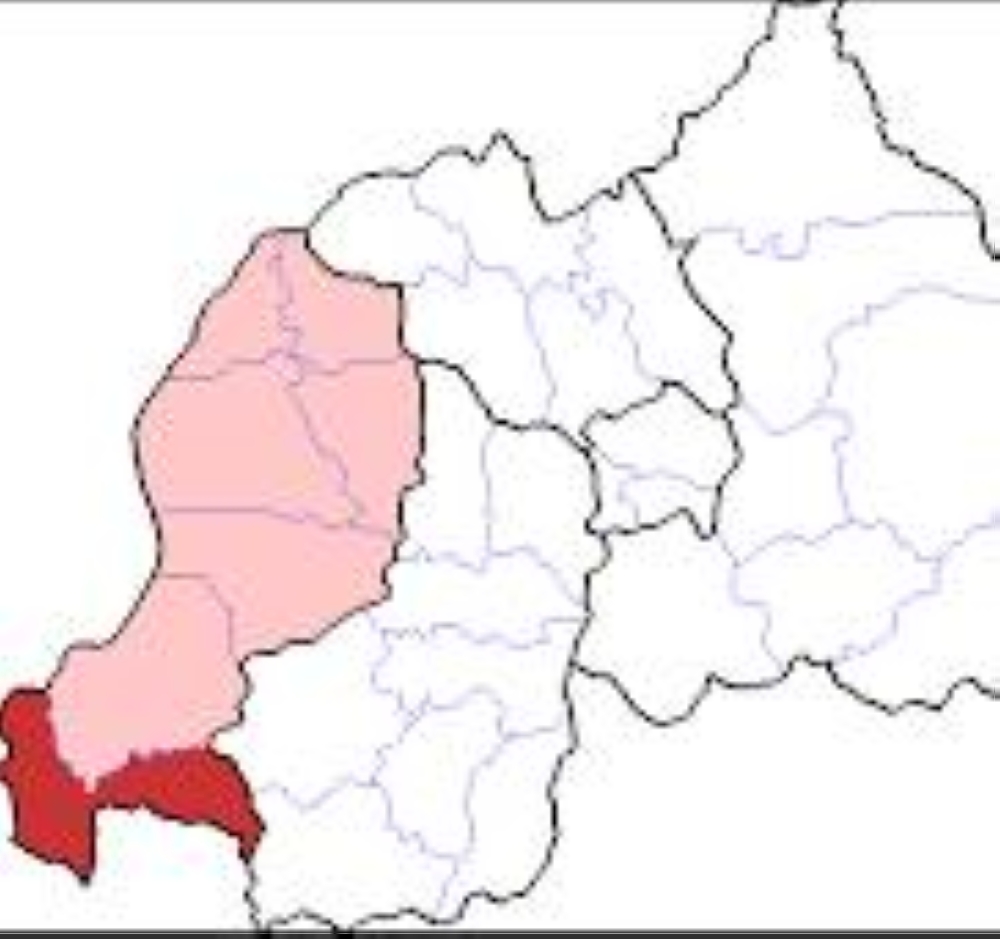
This event occurred subsequent to the king’s successful conquests of Bukunzi and Busozo, now located in Rusizi district. These conquests were swift, with Rwandan forces crossing the Rusizi river south into Bunyabungo and subduing Bishugi. While the local chiefs were permitted to maintain their positions, they were required to pay annual tributes and recognize Rwanda’s authority.
Expanding beyond the conquests of his grandfather, Ruganzu II, Kigeli II Nyamuheshera extended Rwanda’s control to Gishali and Tongo (Masisi in the Democratic Republic of Congo).
This expansion marked the penetration of forests that had previously been regarded as the boundaries of the inhabited world by Rwandan ancestors.

Moreover, Buhunde and Buzi, positioned on the northwestern shores of Lake Kivu, were incorporated, with their rulers acknowledging Rwanda’s sovereignty through tributes, albeit reluctantly.
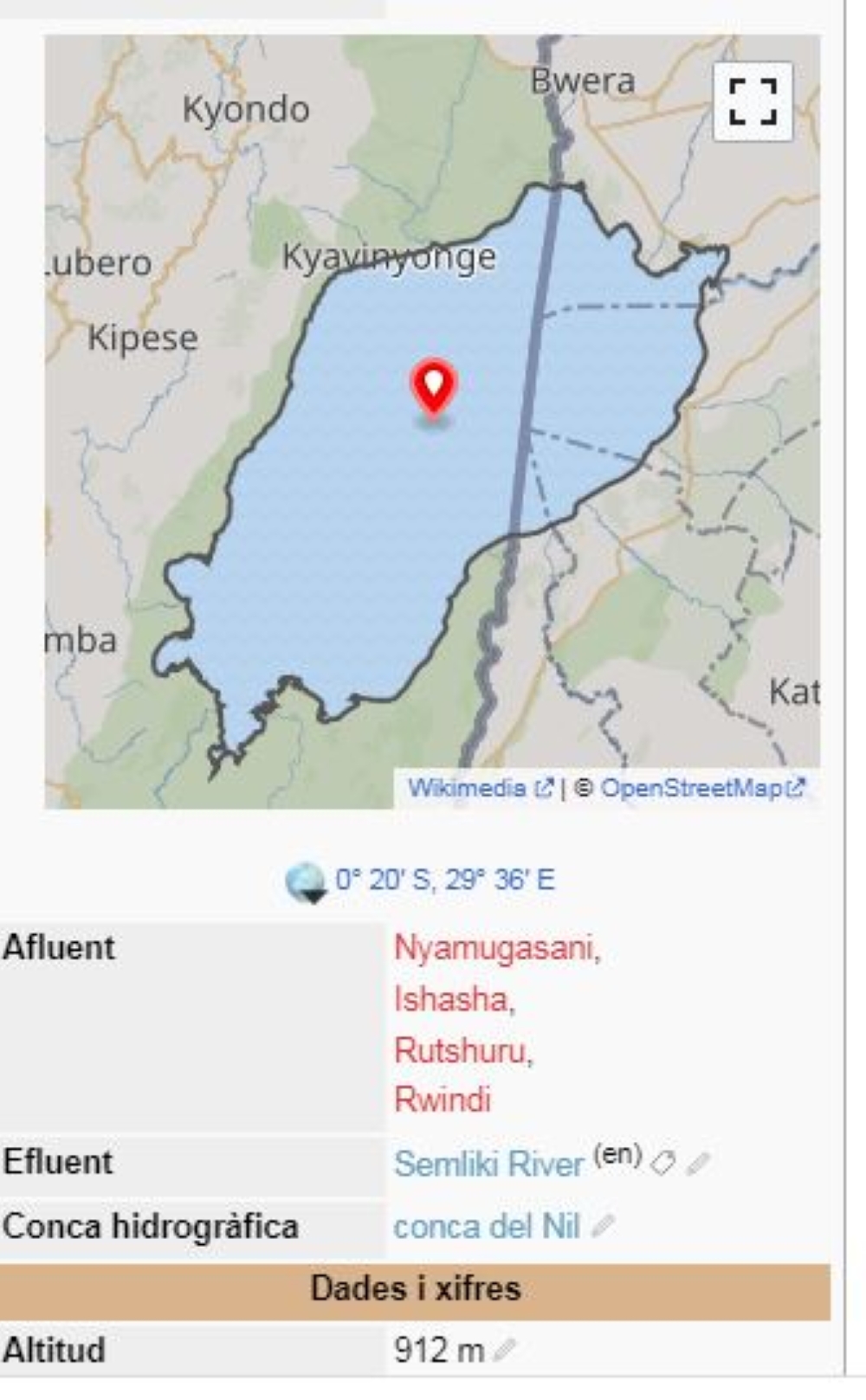
According to tradition, Kigeli II Nyamuheshera then directed his attention northwards, conquering territories around Lake Rwicanzige (Lake Edward), with Rwanda’s border established at Kabasha Escarpment. The region beyond, referred to as Gitara (Kitara), was inhabited by Lyangombe, with Rwandans forbidden from crossing Urutare rwa Kabasha (Kabasha Escarpment).
Further expansions saw Buberuka and its leader, Mweru, assimilated into Rwanda, along with Cyungo, the birthplace of the renowned “Karinga,” now part of the Northern Province.
Departing from Buberuka or Bufumbira, Kigeli II Nyamuheshera launched expeditions against Kigezi in present-day Uganda. These endeavors not only extended Rwanda’s territorial influence but also introduced new agricultural crops, such as beans, to Rwandan cultivation.
An noteworthy feat during these expeditions involved the capture of a herd of giant goats, reserved exclusively for Kigeli II Nyamuheshera. These goats were meticulously tended by an appointed official and became a highlight at royal events.
The last custodian of these goats during Yuhi Musinga’s reign was Munyeseli, son of Muhozi, from the former Kayenzi region, now part of Kamonyi district.
Additionally, during Kimenyi III Rwahashya’s rule in Gisaka, conflict erupted between Gisaka and Ndorwa, led by Gahaya I Rutindangeli. Both monarchs were minors, with their kingdoms effectively governed by their mothers, Nyiragahaya I of Ndorwa and Nyirakimenyi III Kabonde of Gisaka.
In a decisive battle at Mugizi near Lyamanyoni, Ndorwa invaded and subdued Gisaka, resulting in the capture and execution of Nyirakimenyi III.
Seeking refuge, the youthful monarch of Gisaka fled to Rwanda, where he received support from Kigeli II Nyamuheshera.
Together, they launched a successful campaign against Ndorwa, reinstating Bwanacyambwe to Rwanda. However, instead of outright conquest, Gisaka became a Rwandan protectorate, reflecting Rwandan traditions and divinatory beliefs.
Kigeli II Nyamuheshera’s reign, despite military triumphs, was overshadowed by the tragic suicide of Nyirakigeli Ncendeli, who faced societal condemnation for a forbidden pregnancy. Her burial at Butangampundu, reserved for sovereigns who died under such circumstances, underscored the gravity of her offense.
Upon his passing, Kigeli II Nyamuheshera was initially interred outside his rightful burial place in Gicumbi district due to territorial annexation by Ndorwa. However, his great-grandson Cyilima Rujugira facilitated the transfer of his remains to Rutare, ensuring his final resting place aligned with tradition and heritage.