
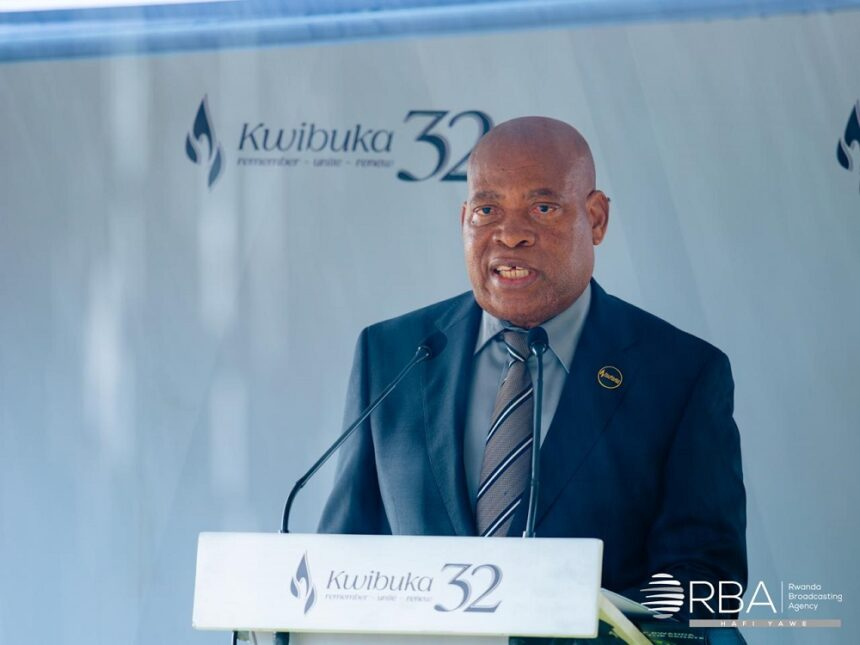
As Rwanda concludes the National Mourning Week marking the 32nd commemoration of the Genocide against the Tutsi in 1994, leaders have paid tribute to politicians who were killed for resisting divisionism and the Genocide ideology. Their legacy continues to serve as a powerful reminder of courage, ethical leadership, and the responsibility to protect unity.
The President of the Senate, Dr. Kalinda François Xavier, has emphasized that remembering politicians who were killed for opposing divisionism is a way of honoring their patriotism and their commitment to resisting injustice.
He made the remarks on Monday during the closing of the National Mourning Week, in a ceremony dedicated to honoring politicians who lost their lives for rejecting the Genocide ideology.
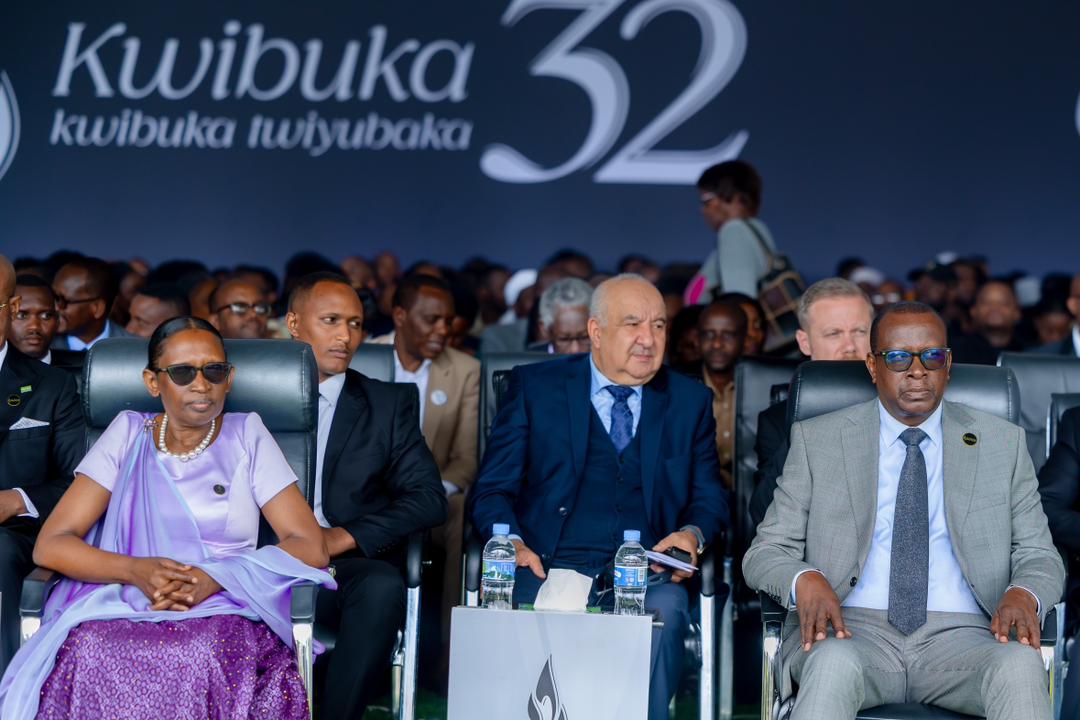
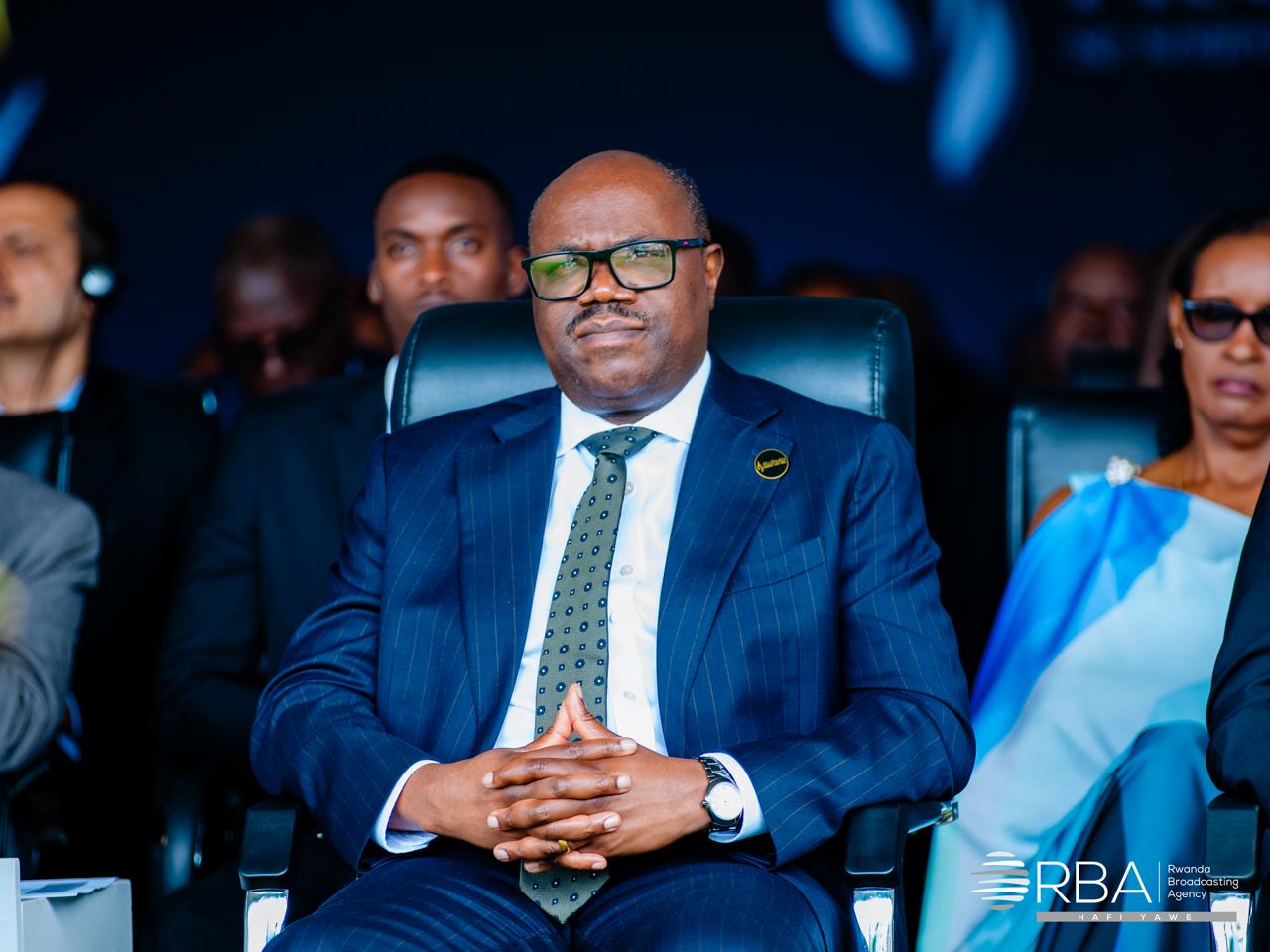
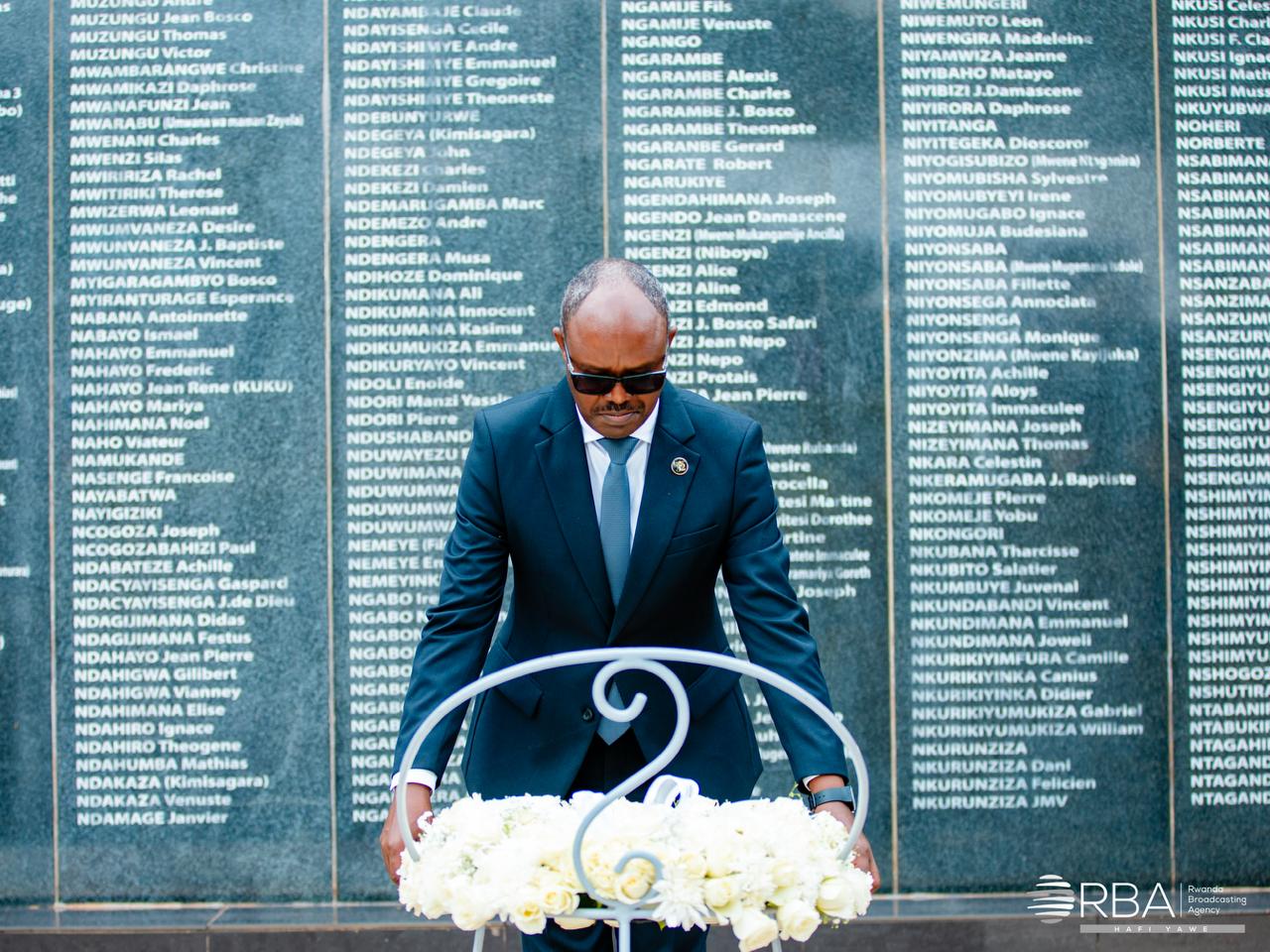
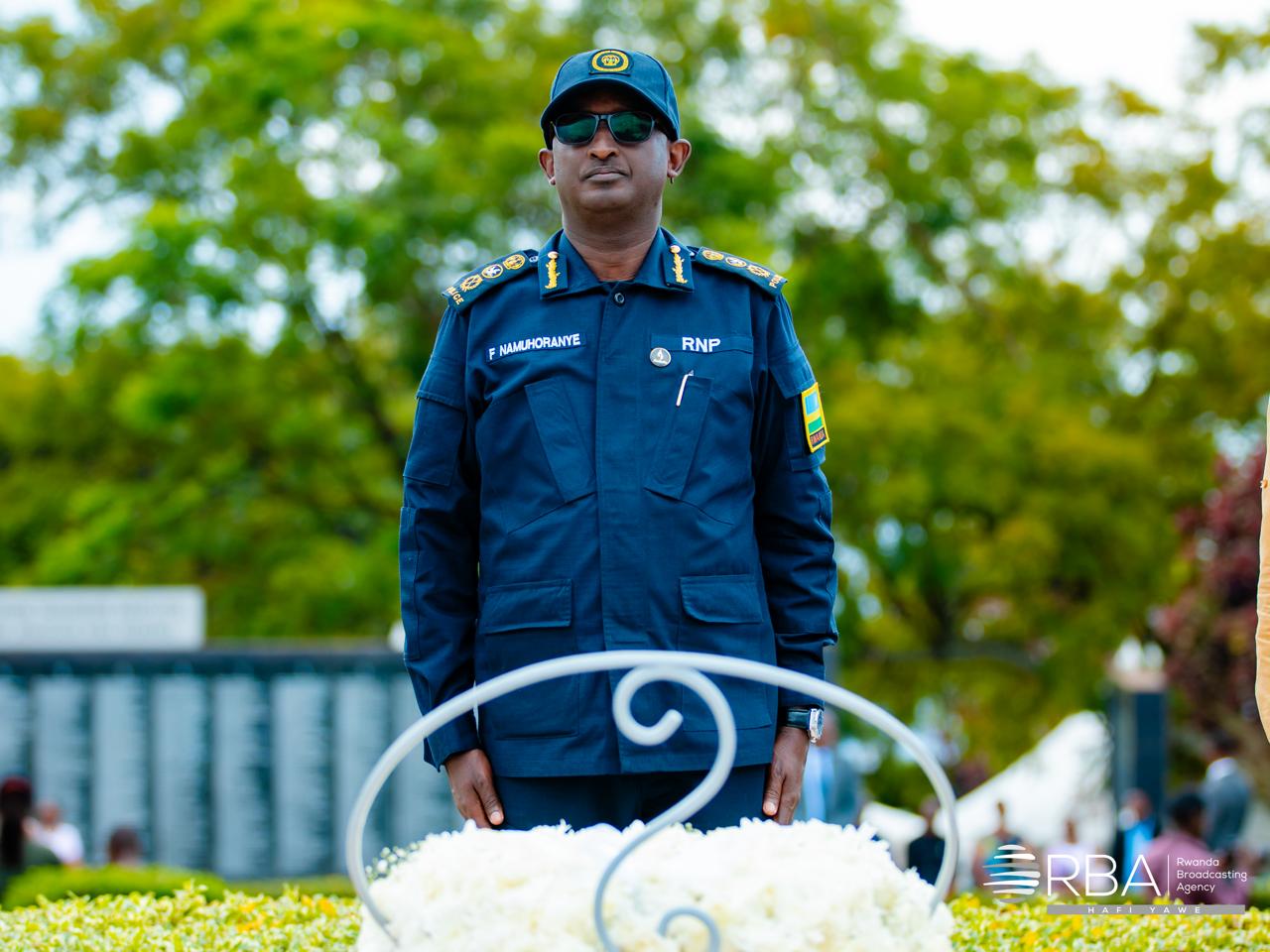
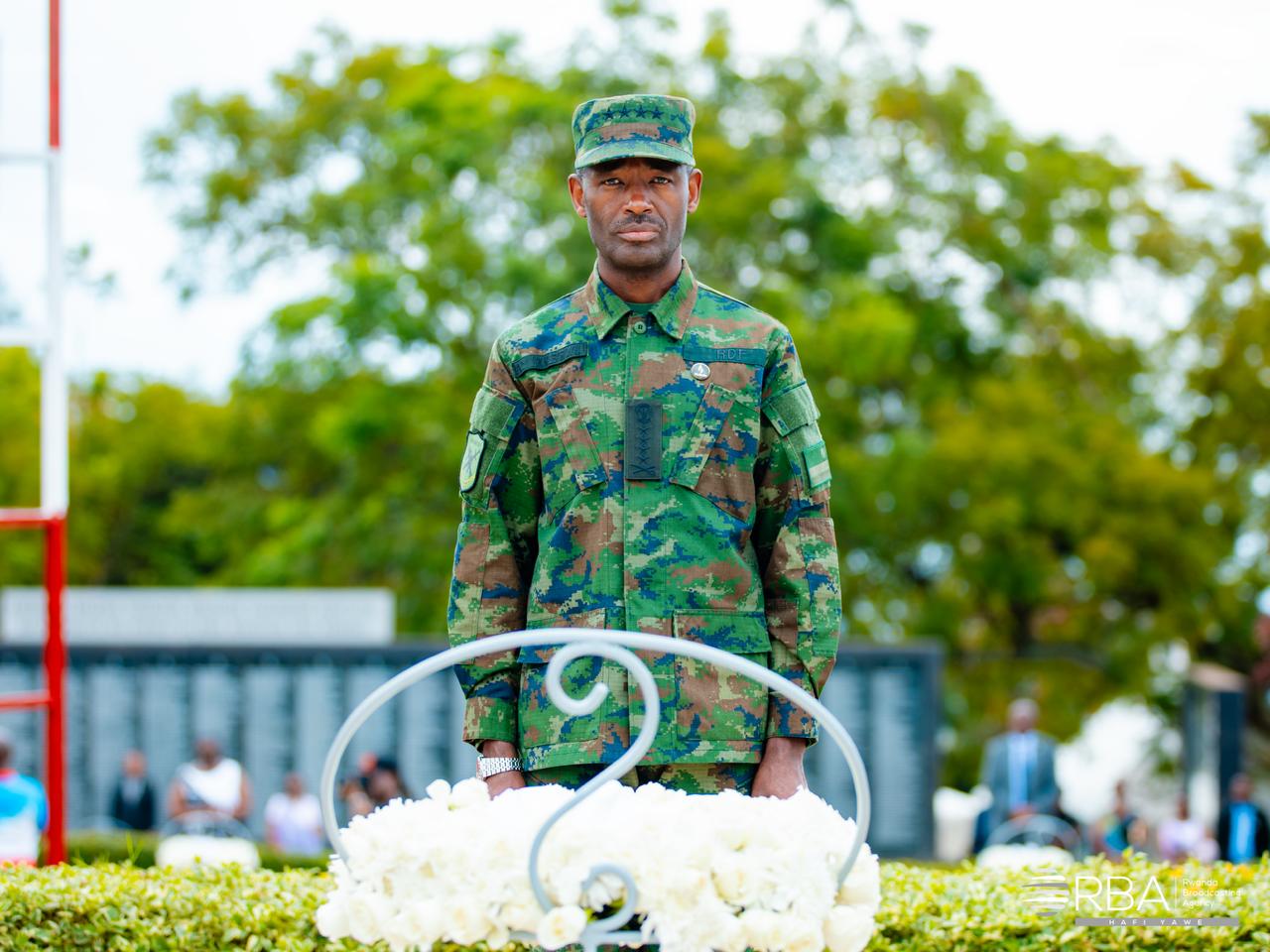
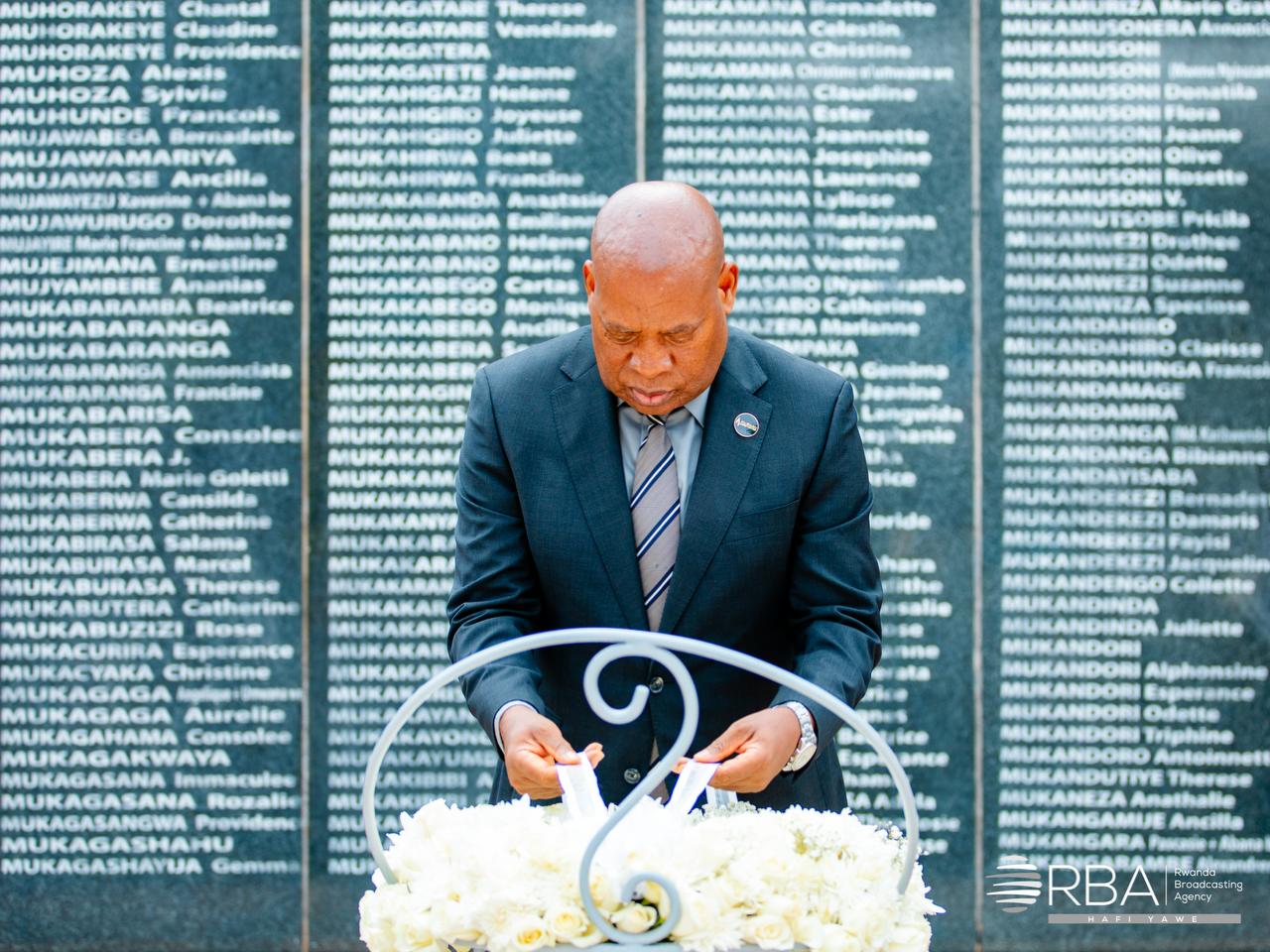
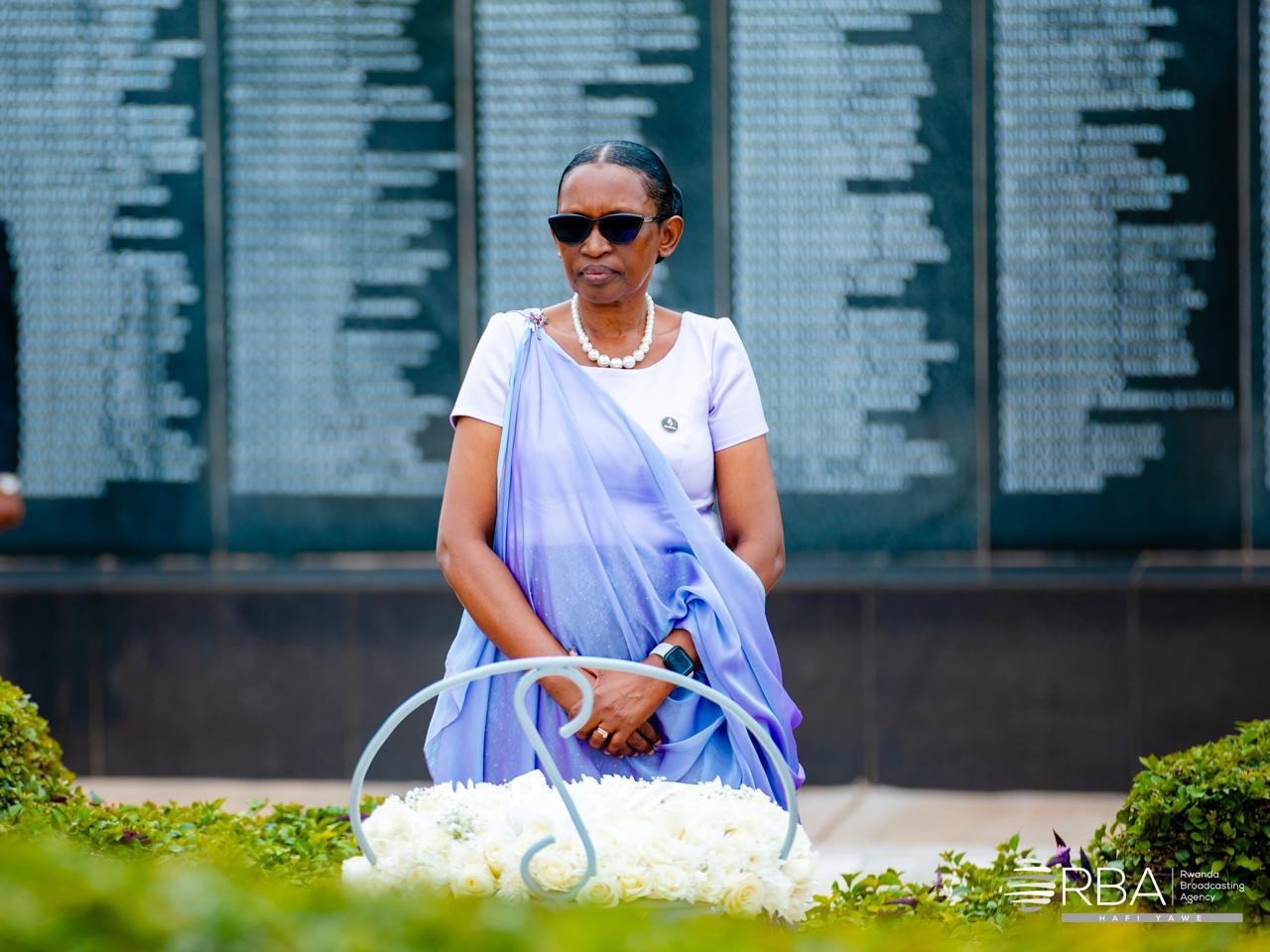
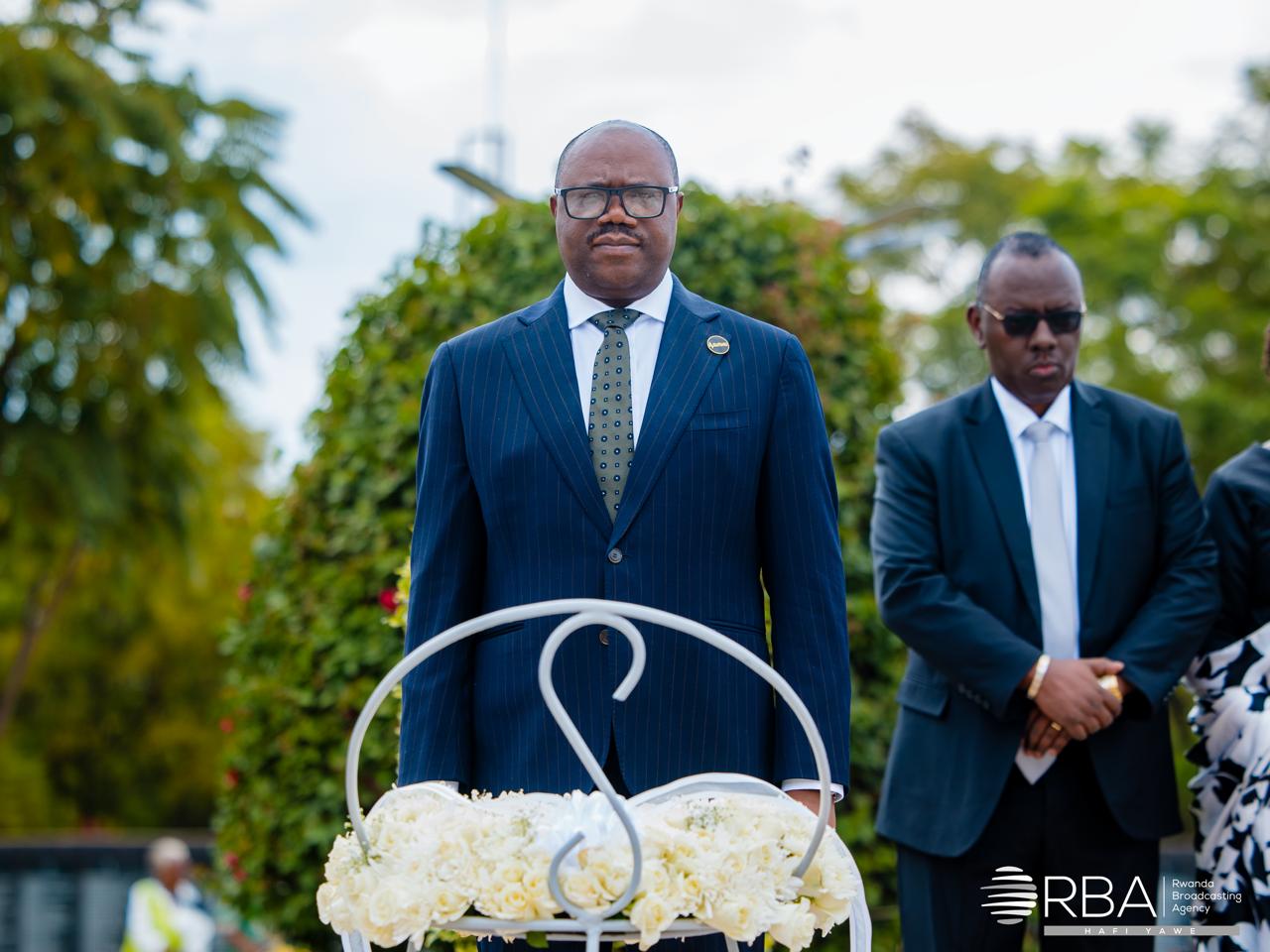
The event brought together senior leaders, including the President of the Senate, Dr. Kalinda François Xavier; the Speaker of the Chamber of Deputies, Gertrude Kazarwa; the Chief Justice, Domitilla Mukantaganzwa; and the Prime Minister, Dr. Justin Nsengiyumva, alongside other high-ranking officials. They paid tribute to the fallen politicians laid to rest at the Rebero Genocide Memorial.
In his address, Dr. Kalinda reflected on the bravery of those politicians who stood firmly against division and the planning of the Genocide, stressing that remembering them is a recognition of their sacrifice.
“Commemorating politicians who were killed for resisting divisionism and the preparation of the Genocide is an opportunity to honor the courage and selflessness they demonstrated by choosing unity and justice-driven leadership. To remember them is to honor the ultimate sacrifice they made,” he said.
He added that reflecting on their legacy serves as a reminder that leadership carries a profound responsibility to safeguard the lives of all citizens, combat discrimination, and uphold justice.
Dr. Kalinda also noted that the Genocide against the Tutsi did not happen spontaneously, but was the result of a carefully planned process in which some political actors played a role.
He further explained that the Genocide against the Tutsi was rooted in a long history of poor governance, dating back to the colonial period, which eroded national unity and entrenched ethnic divisions. This was later perpetuated by the First and Second Republics through policies of discrimination and exclusion against the Tutsi.
“The Genocide against the Tutsi is the outcome of a سلسلة of bad leadership, beginning with colonial rule that undermined unity among Rwandans by introducing ethnic divisions, followed by regimes that institutionalized discrimination and exclusion,” he said.
The Senate President highlighted that after the Genocide was stopped by the Rwanda Patriotic Army (RPA-Inkotanyi), Rwandans chose a different path—one of unity, reconciliation, and inclusive nation-building.
However, he warned that, despite the 32 years that have passed since the Genocide was halted, there are still elements in the region spreading Genocide ideology and openly supporting the FDLR militia, which includes individuals responsible for the Genocide.
Dr. Kalinda called on all Rwandans to remain united and committed to preserving the history and evidence of the Genocide against the Tutsi.
“We must strengthen our unity and combine our efforts to fight Genocide ideology by preserving the history and evidence of the Genocide against the Tutsi,” he urged.
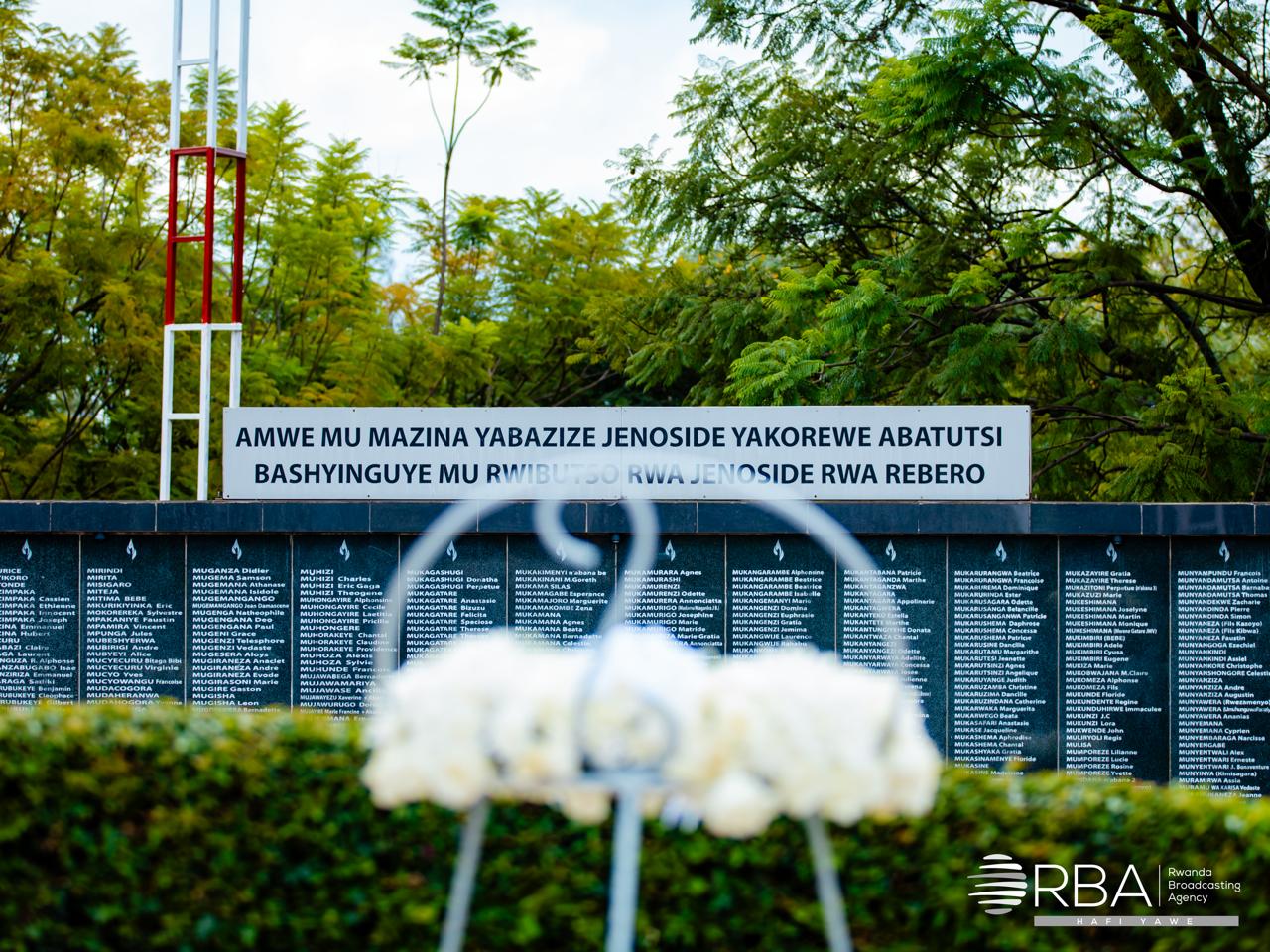
The Rebero Genocide Memorial, where the ceremony took place, is the resting place of more than 14,400 victims of the 1994 Genocide against the Tutsi.
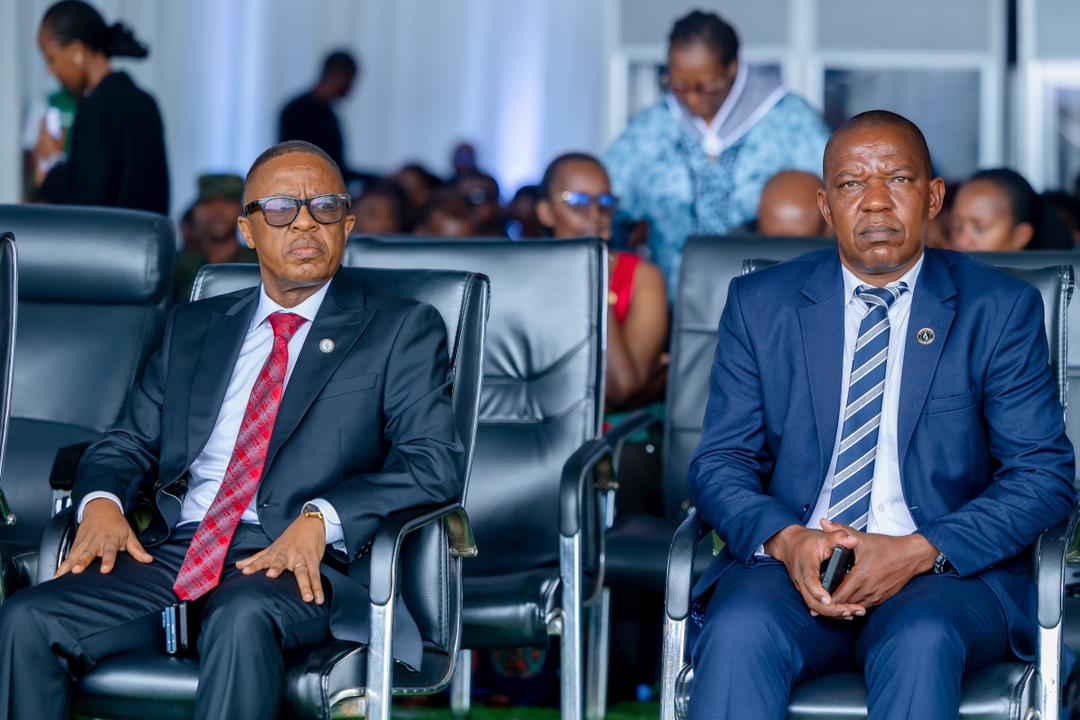
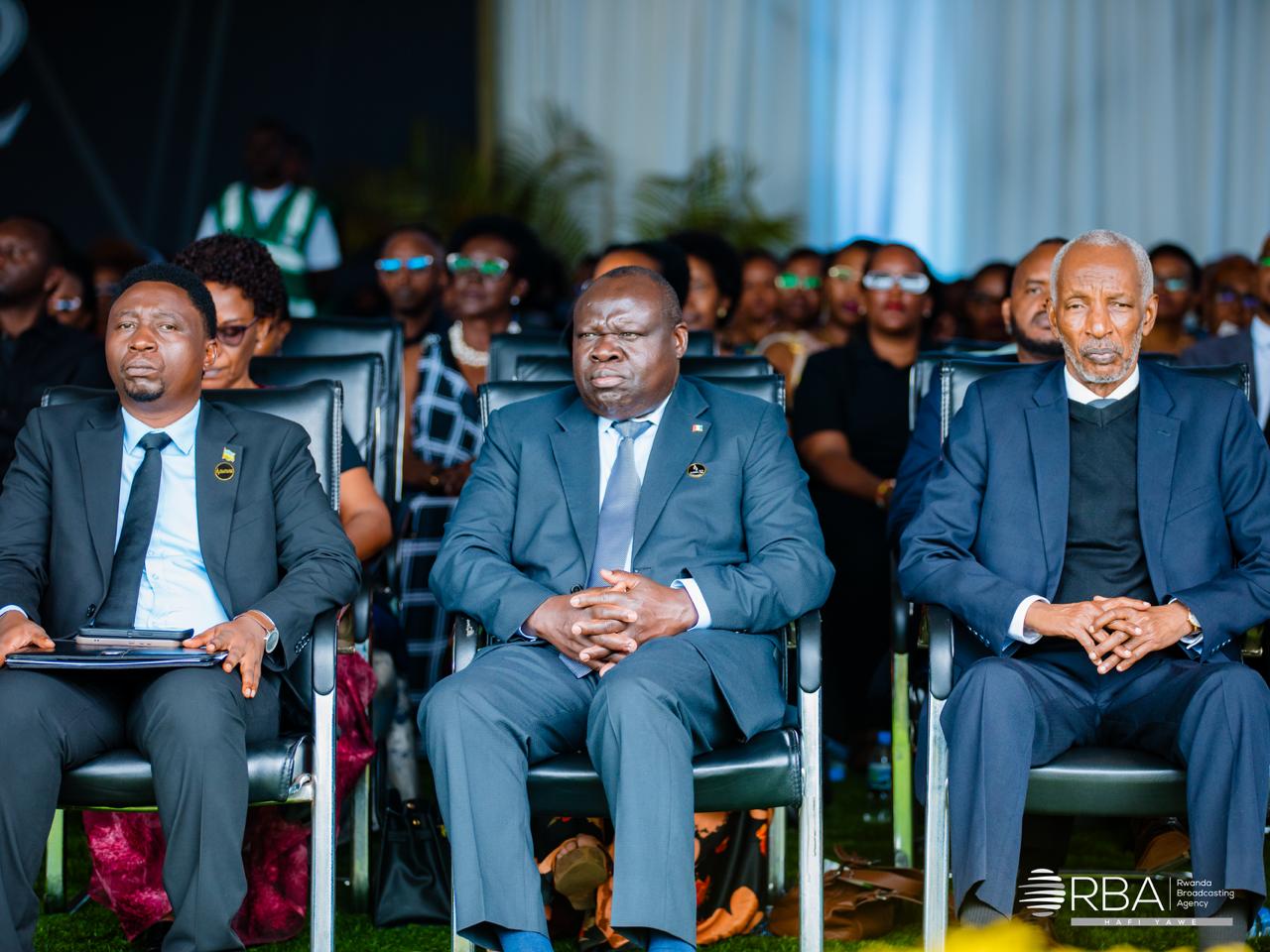
The following are pictures that show how the event went;
KIGALI TIMES