
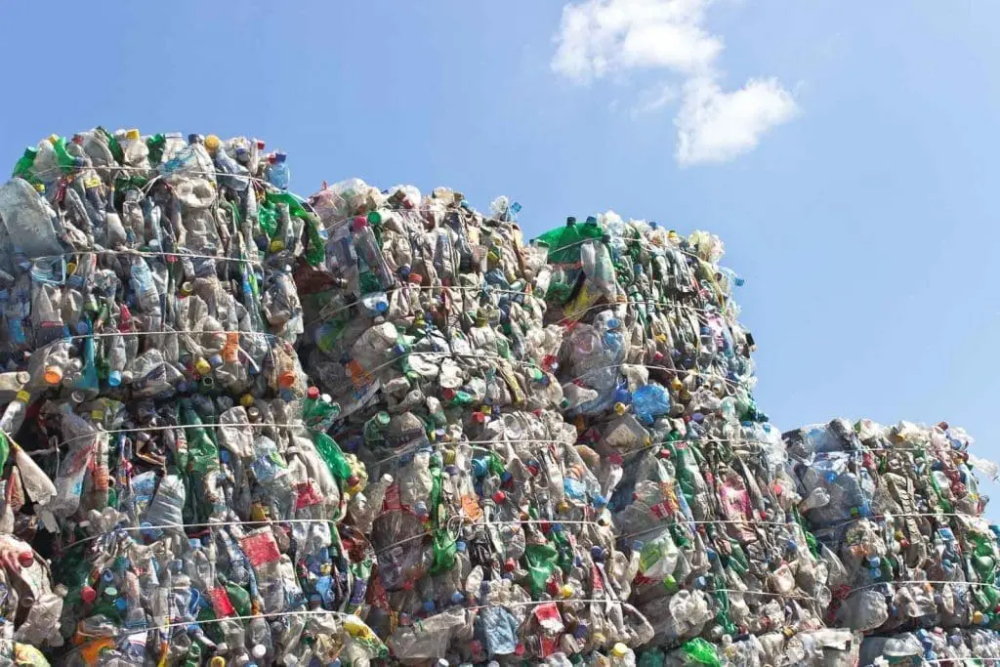
Rwanda is demonstrating what firm, rules-based implementation of the Bamako Convention looks like in practice, combining political leadership, strong national legislation, and sustained investment in hazardous waste management.
At the regional level, Rwanda currently serves as First Vice President of the Bamako Convention Bureau, a role that places it at the centre of strategic decision-making on hazardous waste management and chemical safety across Africa. The position reflects both trust from other Parties and Rwanda’s track record in translating treaty commitments into enforceable national action.
Domestically, Rwanda’s alignment with the Bamako Convention is anchored in law. In August 2019, the country gazetted a comprehensive Waste Management Law that regulates waste across its full lifecycle, including producer responsibility, hazardous waste handling, treatment standards, and transboundary movement. The law serves as the primary legal instrument for implementing the Convention’s provisions at national level and provides clear enforcement powers to regulatory authorities.
Crucially, Rwanda’s legislation explicitly prohibits the import of all hazardous and radioactive waste, directly mirroring the Convention’s core ban. This zero-tolerance position removes ambiguity at the border and sends a clear signal to exporters, intermediaries, and waste traders that Rwanda will not accept toxic materials under any circumstances.
Rwanda’s preventive approach extends beyond hazardous waste into broader waste minimization and cleaner production policies. The country was among the first globally to ban plastic bags in 2008, a move that was expanded in 2019 to include single-use plastic items. These measures have reshaped consumption patterns, reduced plastic pollution, and reinforced the principle that prevention is more effective than remediation.
Chemical control is further strengthened through Ministerial Order No. 003/2021, which establishes a national list of prohibited and restricted chemicals and polluting substances. The Order regulates trade, distribution, and use, closing gaps that often allow dangerous substances to circulate under weak oversight.
Institutionally, Rwanda has designated the Rwanda Environment Management Authority as a key competent authority responsible for regulating the import and export of chemicals and hazardous waste. This clear institutional mandate supports compliance with the Bamako Convention and ensures accountability across government agencies.
In January 2023, the Rwanda Environment Management Authority launched a five-year, USD 7 million Hazardous Waste Management Project aimed at protecting human health and the environment from harmful substances, including persistent organic pollutants, mercury, and polychlorinated biphenyls. The project strengthens national capacity for safe handling, storage, treatment, and disposal of hazardous waste while reducing long-term environmental and health risks.
Taken together, Rwanda’s leadership role within the Convention, its robust legal framework, and its targeted investments demonstrate how the Bamako Convention can be operationalized through concrete national systems. The country’s experience shows that strong laws, empowered institutions, and political clarity are essential to preventing Africa from becoming a destination for hazardous waste.
As the Bamako Convention gains momentum across the continent, Rwanda’s example offers a clear message: implementation matters, enforcement works, and prevention is non-negotiable.
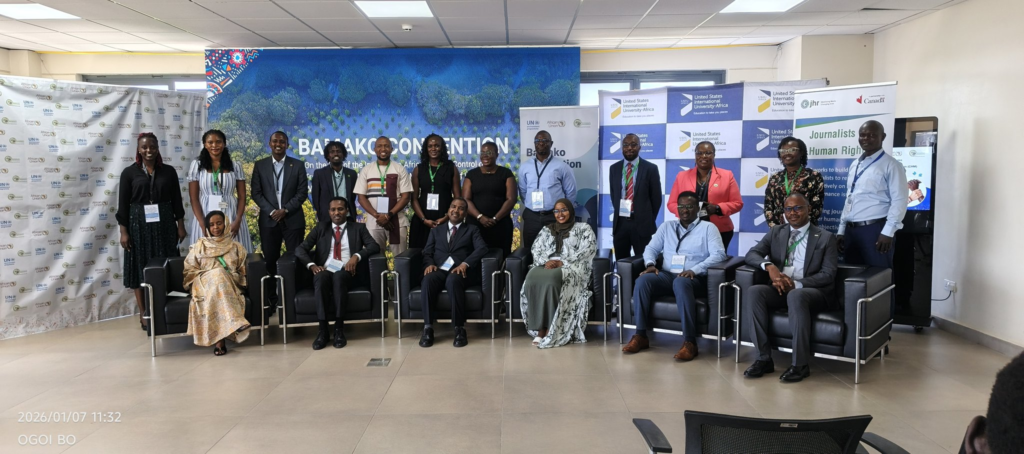
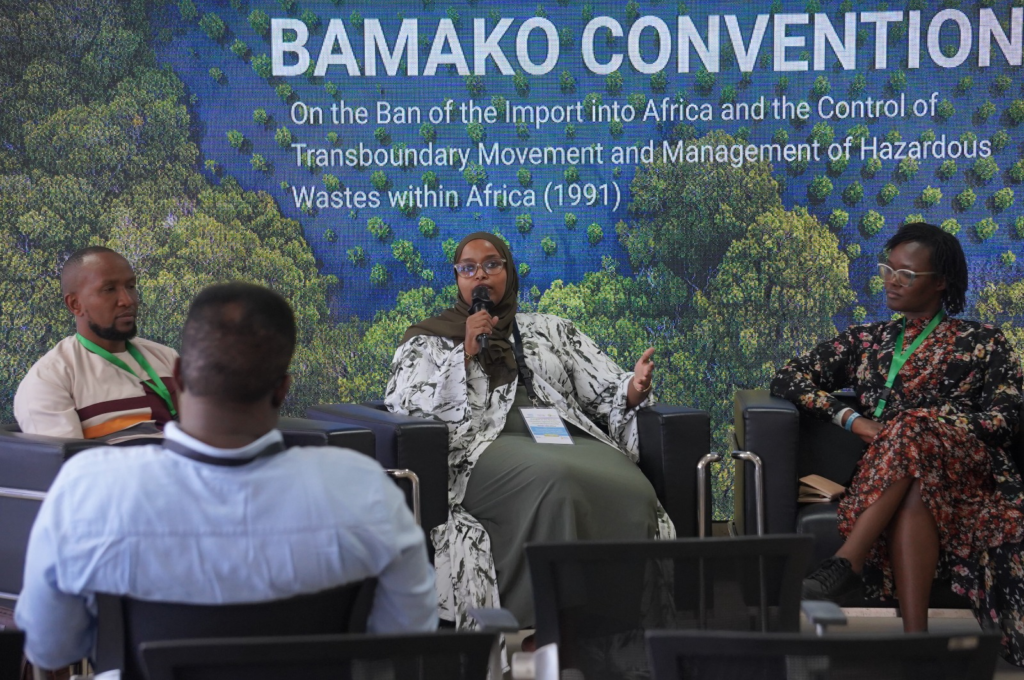
GABRIEL UZABAKIRIHO / KIGALI TIMES