
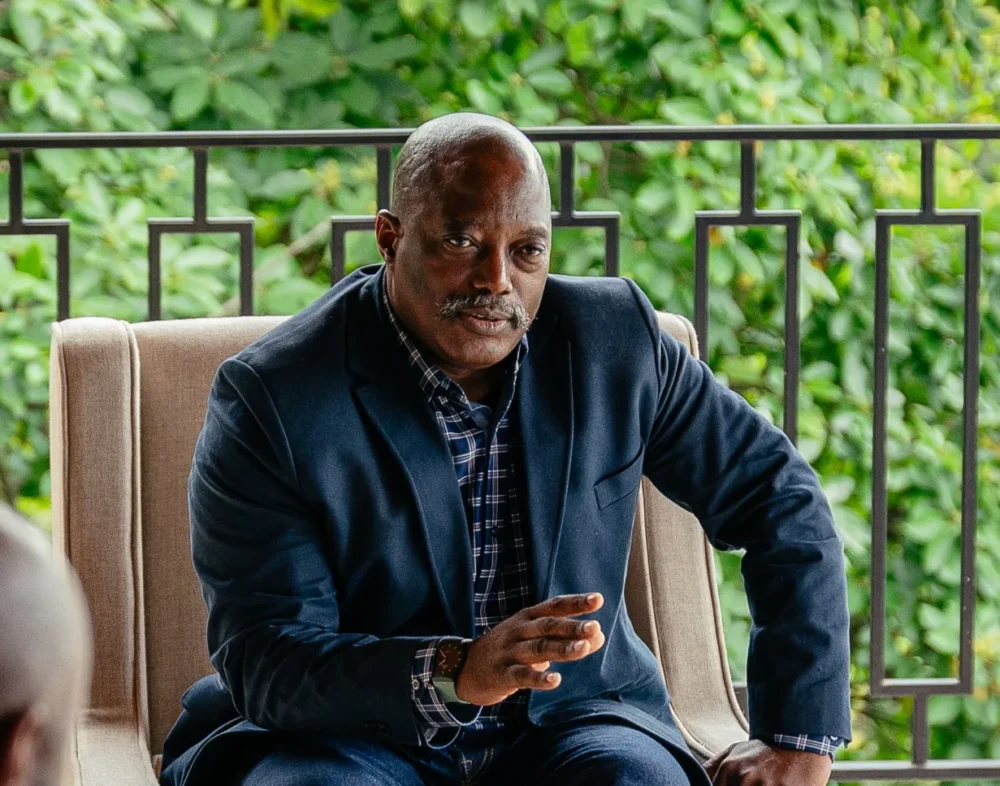
KINSHASA — A military tribunal in the Democratic Republic of Congo (DRC) has sentenced former President Joseph Kabila to death in absentia after finding him guilty of treason, war crimes, and crimes against humanity.
The court delivered its ruling on Friday, accusing Kabila of collaborating with the M23 rebel movement, which has devastated much of eastern Congo. He was convicted in absentia of crimes including murder, torture, sexual violence, and armed rebellion.
Kabila, 54, who governed the DRC from 2001 to 2019, denied all charges and refused to appear in court. Through a statement issued by his representatives, he condemned the trial as “arbitrary” and accused the judiciary of serving “as an instrument of oppression.” His current location remains unknown.
A controversial tenure
Kabila assumed office in 2001 after the assassination of his father, Laurent-Désiré Kabila, and led the country for 18 years through a period marked by war, political unrest, and economic struggles.
He relinquished power in 2019 to Félix Tshisekedi in what was initially hailed as the DRC’s first peaceful transfer of leadership. However, tensions between the two leaders later escalated, pushing Kabila into self-imposed exile in 2023.
Earlier this year, he resurfaced, pledging to support peace efforts in eastern Congo. His visit to Goma—then under M23 control—sparked fresh accusations of collusion with the rebels. In response, President Tshisekedi accused him of fueling the insurgency, prompting the Senate to strip him of immunity and authorize his trial before the military court.
Crisis in the East
The verdict comes as violence continues to escalate in the east, where M23 rebels have captured major cities, including Goma and Bukavu, as well as critical airports. The offensive has displaced hundreds of thousands and worsened an already dire humanitarian crisis.
The United Nations and several Western nations accuse Rwanda of providing direct military support to M23, including troop deployments inside Congolese territory. Kigali denies the claims, insisting its actions are defensive measures to contain the conflict.
Despite a ceasefire signed in July 2025, fighting persists, with sporadic clashes reported across the region.
Political fallout
Kabila’s conviction adds fresh uncertainty to Congo’s fragile political climate. Analysts warn it risks deepening divisions and complicating regional peace negotiations.
While some human rights groups welcomed the verdict as a step toward accountability, others caution that trying a former head of state in absentia may undermine reconciliation and worsen instability.
For Kinshasa, the ruling highlights both the scale of the governance crisis and the delicate balance between delivering justice and safeguarding national stability.