
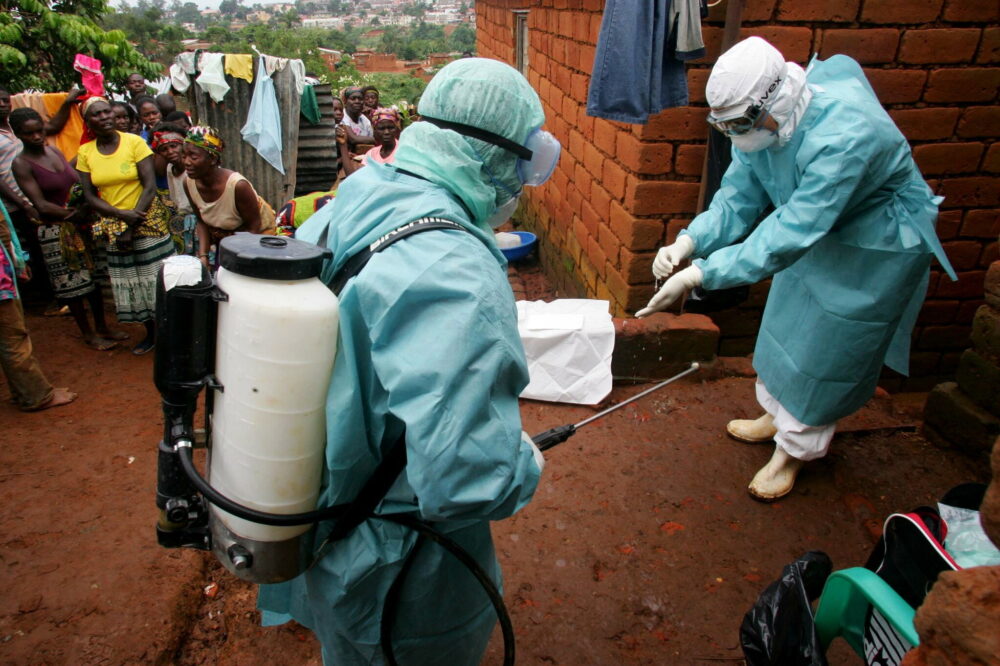
Any outbreak of an epidemic can cause widespread panic and fear, often fueled by a flood of information on digital platforms.
This is especially true for a deadly viral hemorrhagic disease like Marburg, with a fatality rate as high as 88%, meaning that 9 out of 10 people who contract it are likely to die. Such outbreaks are often accompanied by an ‘infodemic’—an overabundance of information, much of it unreliable, which can hinder effective solutions.
Before the confirmation of Marburg in Rwanda, rumors and misinformation were already circulating on social media, particularly on platforms like WhatsApp.
Audio clips allegedly shared by health workers warned of a “spreading viral disease.” With memories of the COVID-19 pandemic still fresh, many feared a repeat of lockdowns and other drastic measures.
Dr. Sabin Nsanzimana, Rwanda’s Minister of Health, has urged the public not to panic or compare Marburg to COVID-19, emphasizing the differences between the two diseases.
“People can continue with their daily activities—there is no ban on any activity as part of the Marburg prevention measures. People should not panic as we have identified all the hotspots of the disease and are taking appropriate action,” said Dr. Nsanzimana.
He also reassured the public that wearing masks is unnecessary, although it remains a good practice.
Marburg, similar to Ebola, has historically led to misconceptions and harmful behaviors that can hinder outbreak control. Dr. Claude Mambo Muvunyi, Director General of the Rwanda Biomedical Center (RBC), emphasized the importance of following Ministry of Health guidelines to avoid being misled. He warned against self-diagnosis and self-treatment, urging people to be vigilant and seek medical help if they experience symptoms such as high fever or headaches. “If you feel you have the symptoms, quickly reach out to the nearest health facility or call 114 for support,” Dr. Muvunyi advised.
Currently, there are no self-test kits for Marburg; only doctors can diagnose the disease. However, patients can identify early symptoms, such as fever and headache, and take quick action. To prevent the spread of the virus, the government has restricted hospital visits, as the disease has primarily affected health workers, especially those in Intensive Care Units (ICU).
On September 30, the Ministry of Health confirmed another death from Viral Hemorrhagic Fever (VHF), bringing the death toll to nine. Despite the high fatality rate of Marburg, officials continue to stress that the situation can be controlled with proper precautions, unlike the scale of COVID-19.
However, the rise of an infodemic—misinformation and false claims about the virus—poses a risk. Studies show that misconceptions, such as the belief that Marburg is airborne or spreads through mosquitoes, can lead to dangerous behaviors. In previous Marburg outbreaks in countries like DR Congo, Ghana, and Uganda, some locals attributed the disease to witchcraft, seeking treatment from traditional healers, which further endangered their lives.
A resident in Kigali, Aimable Uwizeyimana, echoed bizarre conspiracy theories, claiming that Marburg was brought by “foreigners” as a “biological weapon” to wipe out Africans. Such misconceptions highlight the need for proper education and accurate information to prevent fearmongering and the spread of false narratives.
Marburg, transmitted through contact with bodily fluids from infected animals or people, poses serious risks, especially to health workers, relatives of patients, and those handling the deceased. The disease presents symptoms like high fever, headaches, muscle aches, and bleeding from various parts of the body. Those experiencing these symptoms are urged to seek medical attention immediately.
The Ministry of Health encourages survivors to engage in protected sex for at least 12 months post-recovery to prevent further transmission. Regular updates from authorities are crucial to ensure that the public stays informed and avoids misinformation, which could complicate efforts to control the outbreak and sow unnecessary fear.